
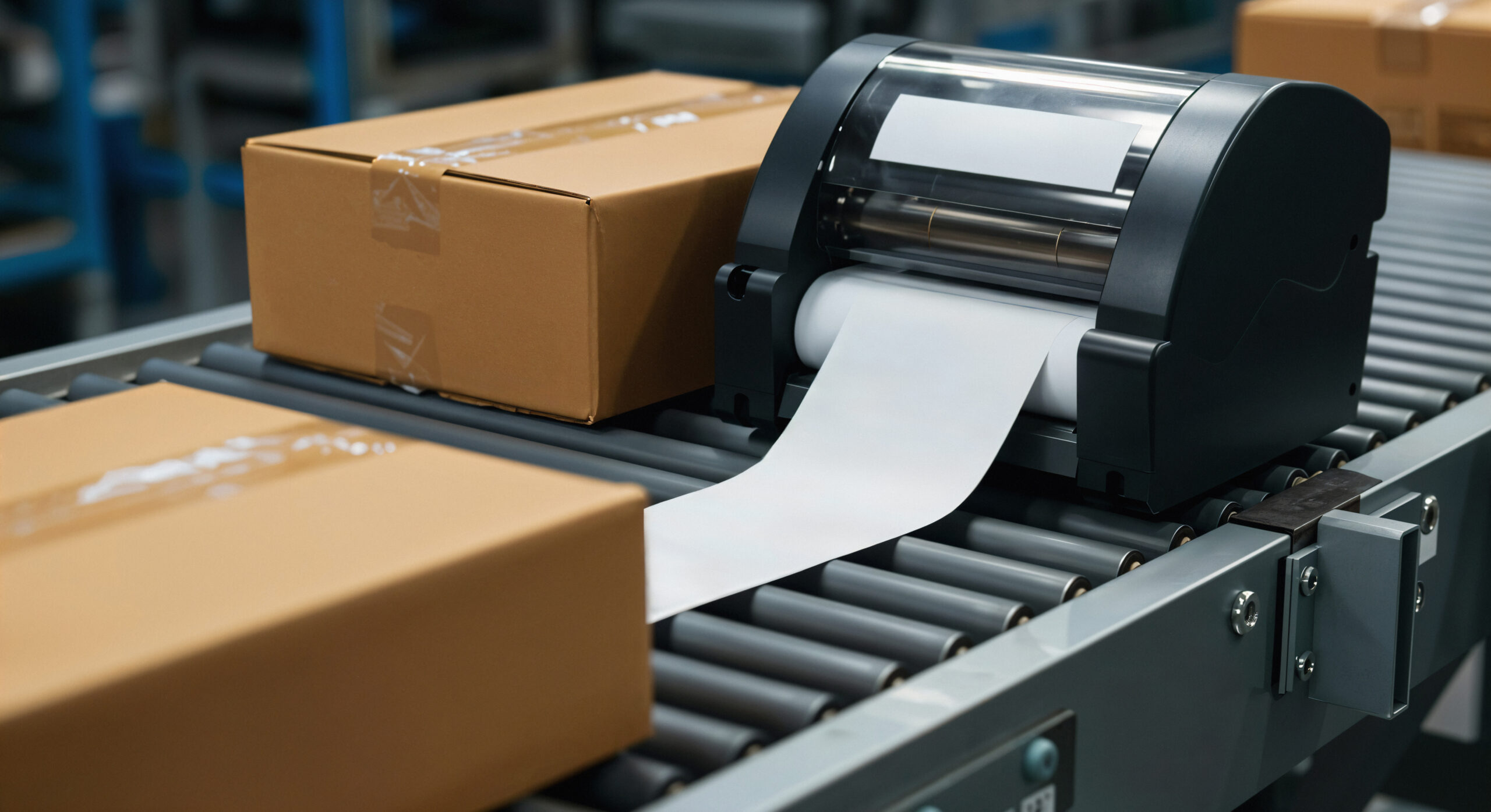
Why Consistent Packaging Quality Matters for FMCG and Pharma Brands
In industries such as FMCG and pharmaceuticals, packaging quality is more than just a design requirement—it is a critical part of brand reliability, product safety, and regulatory compliance. Even small variations in label alignment, colour accuracy, or printing clarity can impact how customers perceive a product on retail shelves. For pharmaceutical companies, packaging errors can also create serious compliance concerns.
Many businesses experience packaging inconsistencies when their printing partners lack structured quality control processes. Problems such as colour variation across batches, misaligned labels, or inconsistent carton printing often occur when production systems rely on outdated equipment or manual inspection methods. This is why companies increasingly look for reliable manufacturing partners offering Star Offset packaging solutions Bhiwandi to ensure consistent output across large production runs.
Modern packaging production requires more than just printing capability. It depends on a combination of advanced equipment, standardized production workflows, and dedicated inspection systems that verify quality at every stage of manufacturing.
Businesses that prioritize packaging quality typically evaluate several factors before selecting a printing partner:
- Modern printing infrastructure and high-speed presses
- Prepress accuracy and artwork validation systems
- Dedicated inspection and quality-control laboratories
- Experienced production teams following standardized workflows
Packaging manufacturers that integrate these elements can deliver reliable labels and cartons across multiple production batches. In the following sections, we will explore how structured processes, modern equipment, and specialized quality systems help maintain consistent packaging quality.
Need Reliable Packaging Printing for Your Brand?
- Understand how advanced printing infrastructure and inspection systems ensure consistent packaging quality.
- Speak with specialists who focus on precision-driven label and carton production.
What Ensures Consistent Label and Packaging Quality in Modern Printing?
Consistent packaging quality is achieved through a combination of advanced printing technology, prepress accuracy, and structured quality-control systems that monitor production at every stage.
Packaging manufacturers that maintain high standards typically implement the following practices:
- High-speed offset press printing in Mumbai for consistent colour reproduction and large-volume packaging production
- Advanced prepress verification systems to validate artwork, colours, and layout before printing begins
- Dedicated state of the art QC lab to test materials, inks, and printing results
- Automated inspection systems that detect printing defects during production
- Standardized workflows followed by experienced operators
When these systems work together, manufacturers can maintain consistent label and carton quality across thousands or even millions of printed units.
Companies seeking Star Offset packaging solutions Bhiwandi often prioritize these structured quality processes because they reduce packaging defects, improve brand consistency, and ensure reliable printing results.
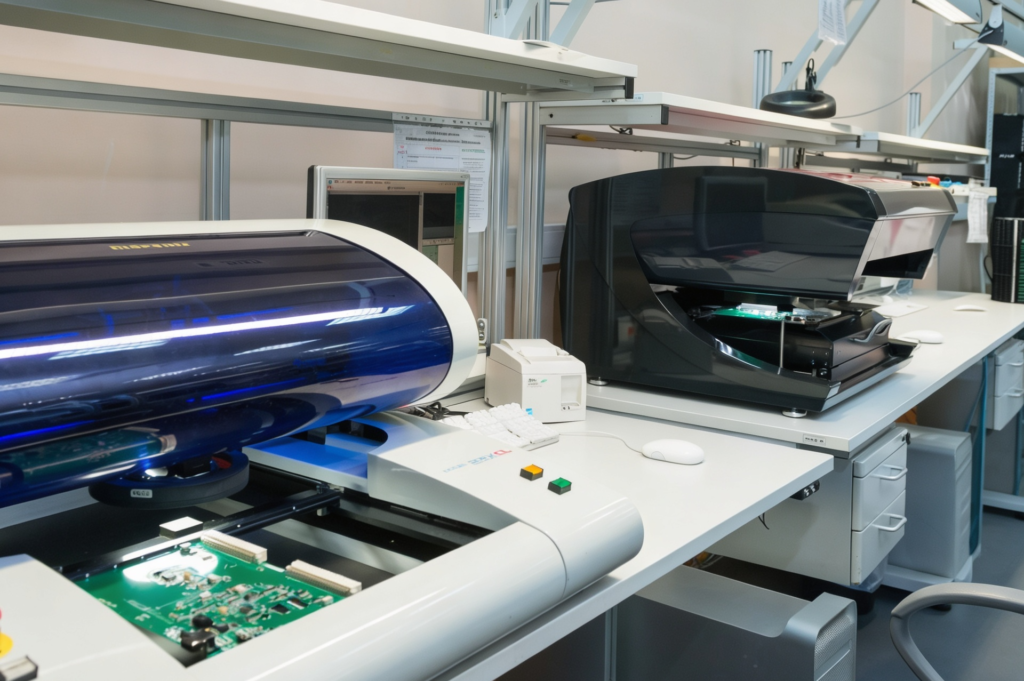
Why Inconsistent Label and Packaging Quality Creates Serious Risks for FMCG and Pharma Brands
In industries such as FMCG and pharmaceuticals, packaging quality is closely tied to brand credibility, regulatory compliance, and customer trust. Even minor printing inconsistencies—such as colour variations, misaligned labels, or unclear product information—can affect how a product is perceived on retail shelves. For pharmaceutical companies, packaging defects can also lead to compliance issues and rejected product batches.
Many businesses encounter these challenges when their packaging suppliers lack the infrastructure needed to maintain consistent production standards. Companies exploring Star Offset packaging solutions Bhiwandi often do so after facing repeated issues such as inconsistent label printing, mismatched carton colours across batches, or packaging defects that disrupt product launches.
Several operational factors commonly cause packaging quality inconsistency:
- Outdated printing presses that cannot maintain stable colour output across large production runs
- Absence of a state of the art QC lab to test materials, inks, and print results
- Manual inspection processes that allow defects to pass through production
- Poor coordination between prepress, printing, and finishing workflows
When these systems are missing, even small errors during printing can escalate into large-scale packaging problems.
| Common Packaging Quality Issue | Impact on Businesses |
| Colour variation between batches | Inconsistent brand presentation across markets |
| Misaligned labels or printing defects | Reduced product shelf appeal |
| Inaccurate product information printing | Compliance risks for pharma products |
| Lack of inspection processes | Higher rejection rates and production delays |
Ignoring these issues can create serious operational and reputational risks. Retailers may reject inconsistent packaging, distributors may delay shipments, and consumers may lose confidence in the brand.
This is why leading packaging manufacturers invest in modern infrastructure such as high speed offset press printing in Mumbai, automated inspection systems, and dedicated quality-control laboratories. These systems help ensure that every label and carton produced maintains the same quality standards across every production batch.
MEDIA ELEMENT
Type: Infographic
Idea: Infographic illustrating common packaging quality issues including colour variation, misaligned labels, printing defects, and lack of inspection systems in packaging production.
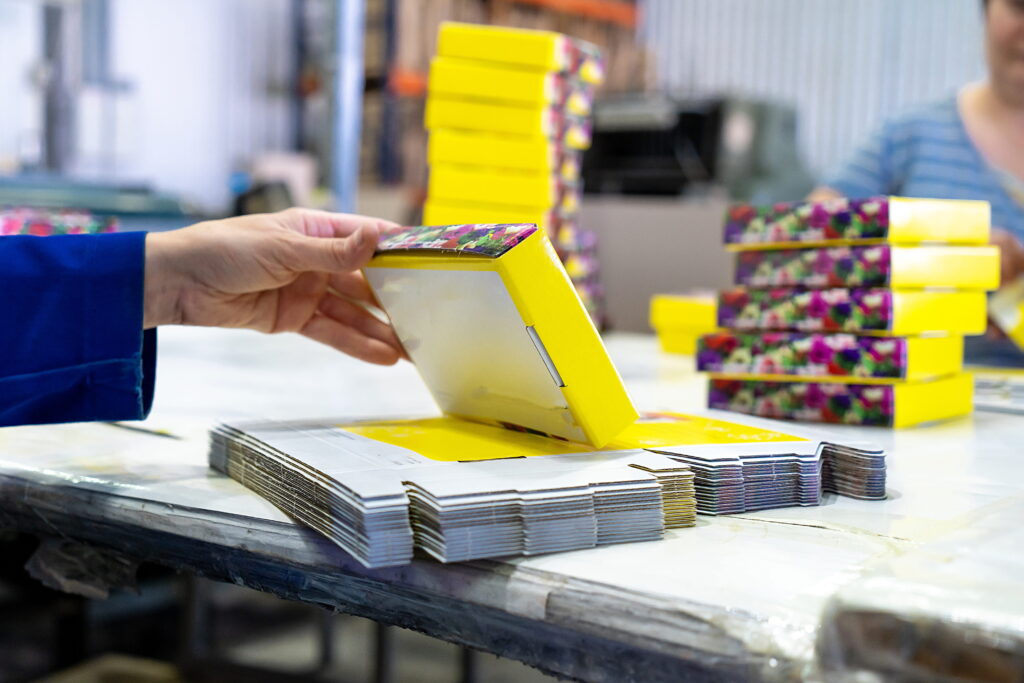
Systems, Technology, and Quality Processes That Ensure Consistent Label and Packaging Output
High-Speed Offset Printing Technology for Stable Print Output
One of the most important factors in packaging consistency is the reliability of the printing equipment itself. Modern facilities invest in high speed offset press printing in Mumbai because these machines are designed to deliver stable colour reproduction and precise print alignment across large production runs.
High-speed offset printing provides several operational advantages:
- Consistent colour accuracy across batches
- Stable print registration for detailed graphics
- Efficient handling of large-volume label and carton production
- Compatibility with a wide range of paper and packaging substrates
Unlike older printing systems, modern offset presses include automated controls that monitor ink flow, pressure, and print alignment during production. These controls significantly reduce the risk of packaging defects.
Prepress Verification and Artwork Accuracy
Packaging quality begins long before printing starts. Errors introduced during artwork preparation can easily lead to costly printing defects later in the production process.
To prevent these issues, advanced packaging manufacturers implement structured prepress verification systems.
Key prepress quality checks include:
- Digital artwork validation for layout accuracy
- Colour profile verification to maintain brand consistency
- Barcode readability testing for retail compliance
- Proofing systems that allow clients to approve artwork before printing
By identifying errors early, manufacturers reduce the risk of production delays, rejected packaging batches, or inconsistent label printing.
Role of a State of the Art QC Lab in Packaging Production
Quality assurance in packaging manufacturing relies heavily on laboratory-based inspection systems. A state of the art QC lab enables manufacturers to evaluate materials, inks, and printing results before and during production.
Typical quality-control lab tests include:
- Ink adhesion and durability testing
- Material compatibility analysis for labels and cartons
- Colour accuracy measurement using spectrophotometers
- Environmental resistance tests for packaging materials
These testing procedures ensure that labels and cartons maintain their quality not only during production but also throughout transportation, storage, and retail display.
Expert Insight:
Packaging manufacturers with dedicated QC labs can detect potential quality issues early in the process, reducing production waste and ensuring consistent packaging output across multiple batches.
Structured Production Workflow for Label and Carton Manufacturing
Consistency in packaging production also depends on how efficiently the manufacturing workflow is organized. Leading facilities follow standardized production protocols that ensure every stage of the process—from prepress to finishing—operates with minimal variation.
Typical structured workflow stages include:
- Artwork validation and prepress preparation
- Material inspection and compatibility testing
- Printing using calibrated equipment
- In-process inspection during production
- Finishing processes such as die-cutting and lamination
- Final quality verification before dispatch
This disciplined workflow reduces the possibility of errors and ensures that both labels and cartons maintain uniform quality across production runs.
Automated Inspection Systems for Real-Time Error Detection
Modern packaging facilities increasingly rely on automated inspection systems to monitor print quality during production. These systems use high-resolution cameras and sensors to detect printing defects in real time.
Automated inspection systems help identify:
- Colour inconsistencies
- Missing text or graphics
- Misaligned labels
- Printing streaks or ink defects
Because these systems operate continuously during production, they allow operators to correct issues immediately, preventing large batches of defective packaging.
Packaging Quality Control Framework
| Quality Control Method | Process Description | Advantages | Limitations |
| Manual Inspection | Human operators visually inspect printed materials | Simple and low cost | Risk of human error |
| Automated Inspection Systems | Camera-based monitoring during production | Real-time defect detection | Requires advanced infrastructure |
| QC Lab Testing | Laboratory analysis of materials, inks, and print results | Highly accurate testing | Additional setup cost |
Combining all three approaches creates a comprehensive packaging quality assurance system that reduces errors while maintaining consistent print results.
Need Reliable Packaging Printing for Your Brand?
- Understand how advanced printing infrastructure and inspection systems ensure consistent packaging quality.
- Speak with specialists who focus on precision-driven label and carton production.
Why Advanced Quality Control Systems Are Becoming Essential in Modern Packaging Manufacturing
In today’s competitive product markets, packaging quality has become a critical differentiator for brands. Industries such as FMCG and pharmaceuticals rely heavily on packaging consistency to maintain regulatory compliance, protect brand reputation, and ensure reliable product identification. As a result, packaging manufacturers are increasingly investing in advanced infrastructure, inspection systems, and standardized workflows to maintain high-quality production.
Businesses exploring Star Offset packaging solutions Bhiwandi often look for manufacturers that can demonstrate structured quality assurance processes and modern printing capabilities. These systems help ensure that labels and cartons maintain consistent colour, alignment, and material integrity across large production runs.
Several industry trends are driving this shift toward more robust packaging quality systems.
Regulatory Compliance Driving Quality Improvements in Pharma Packaging
Pharmaceutical packaging is subject to strict regulatory requirements related to product labeling, traceability, and patient safety. Even minor printing errors—such as incorrect batch numbers or unreadable barcodes—can lead to compliance violations.
To address these risks, packaging manufacturers are implementing:
- Automated inspection systems for barcode and text verification
- Laboratory-based material testing using a state of the art QC lab
- Controlled production workflows designed to reduce human error
These systems ensure that packaging produced for pharmaceutical companies maintains high levels of accuracy and regulatory compliance.
FMCG Brands Demand Consistent Packaging Across Markets
For FMCG brands, packaging consistency is closely linked to brand identity. Consumers often recognize products based on packaging colours, logos, and label designs. Even small variations in print quality can impact how a brand is perceived on retail shelves.
Modern printing facilities use technologies such as high speed offset press printing Mumbai to maintain stable colour reproduction and uniform print quality across different production batches.
Key industry practices now include:
- Digital colour calibration systems
- Automated print monitoring during production
- Batch-level quality verification
These practices help brands maintain consistent packaging across different distribution regions and product variants.
Sustainability Is Changing Packaging Materials and Printing Processes
Another important industry trend is the shift toward sustainable paper-based packaging materials. As brands reduce their reliance on plastic packaging, manufacturers must ensure that printing quality remains consistent across new eco-friendly substrates.
Paper-based materials often require more precise ink control and testing, which makes lab-based quality testing and automated inspection systems even more important.
Expert Perspective:
Packaging manufacturers that combine sustainable materials with advanced inspection systems are better equipped to deliver environmentally responsible packaging without compromising quality.
Organizations that invest in structured production systems, laboratory testing, and automated inspection technologies are shaping the future of packaging manufacturing.
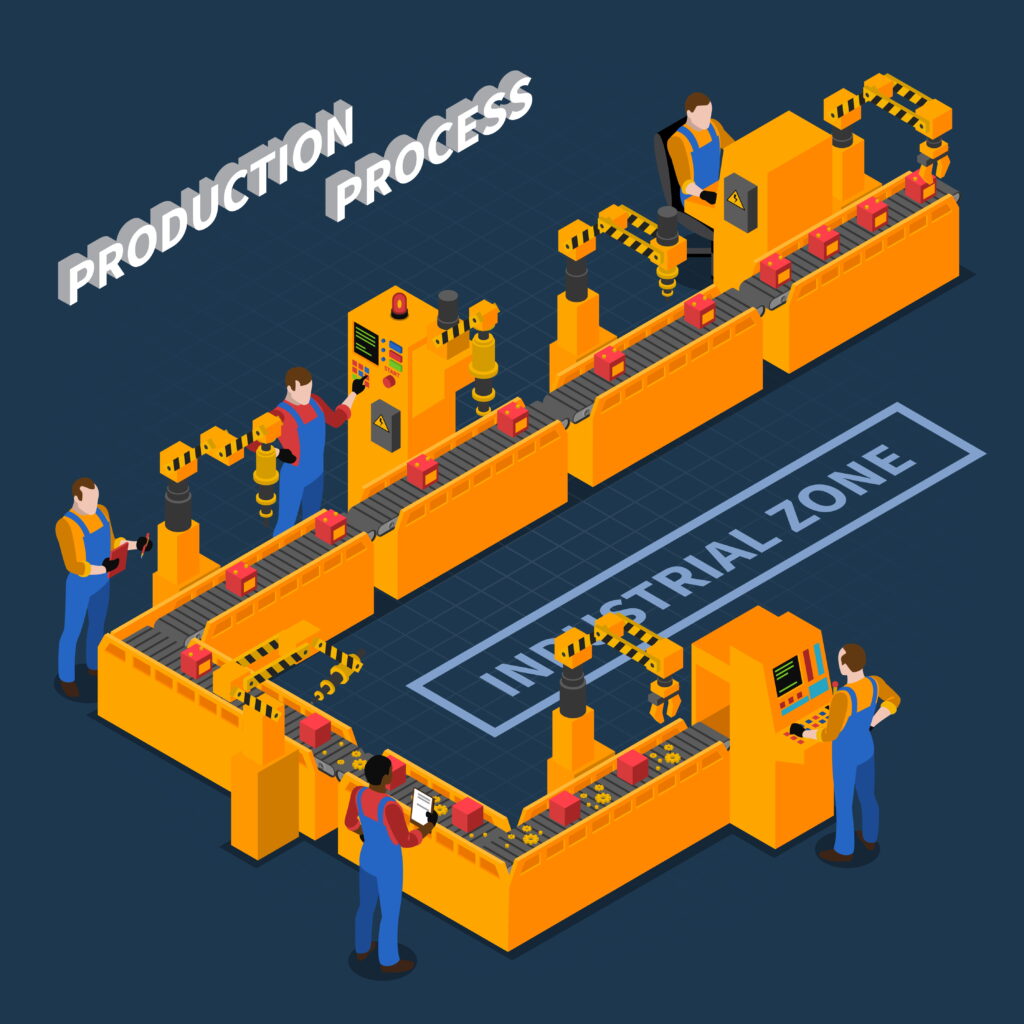
How Structured Quality Control Systems Prevent Packaging Defects in Large Production Runs
To understand how modern packaging quality systems work in practice, consider a common scenario faced by many FMCG companies preparing for large product distribution across multiple markets.
Situation
An FMCG brand planning a nationwide product rollout needed high-volume label and carton printing across multiple SKUs. Each product variant required identical colour accuracy, barcode readability, and packaging layout to ensure consistent shelf presentation across retail stores.
The company explored Star Offset packaging solutions Bhiwandi because it needed a manufacturing partner capable of maintaining consistent packaging quality throughout large production batches.
Challenge
Large-scale packaging production often introduces several risks:
- Colour variations across batches
- Misaligned labels or printing errors
- Packaging defects caused by material inconsistencies
- Increased wastage due to undetected printing errors
Without proper inspection systems and standardized workflows, even small issues can multiply across thousands of printed labels and cartons.
Solution
To minimize these risks, the production process followed a structured quality-control approach:
- Prepress artwork verification to confirm layout accuracy and colour profiles before printing
- Production using high speed offset press printing Mumbai, ensuring stable colour output across long print runs
- Continuous monitoring through a state of the art QC lab, where inks, materials, and printed samples were tested during production
- Automated inspection systems detecting print defects before packaging materials moved to finishing stages
Outcome
This structured quality workflow delivered several operational advantages:
- Consistent colour reproduction across all SKUs
- Reduced packaging material wastage
- Accurate labels and cartons ready for distribution
- Reliable product presentation across different markets
For brands managing large-scale packaging production, combining advanced printing infrastructure with structured inspection systems helps ensure that labels and cartons maintain consistent quality from the first batch to the last.
Want to Evaluate Packaging Print Quality Before Production?
- Request packaging samples and review printing quality standards before large-scale manufacturing.
- Speak with specialists who prioritize inspection systems and consistent packaging output.
Key Lessons on Achieving Consistent Label and Packaging Quality
- Consistent packaging quality requires a combination of advanced printing infrastructure, disciplined workflows, and structured inspection systems. Manufacturers that integrate all three elements are better equipped to deliver reliable labels and cartons across large production runs.
- High-speed offset printing technology improves colour stability and print alignment, making it ideal for FMCG and pharma packaging where consistent brand presentation and regulatory accuracy are essential.
- A state of the art QC lab plays a critical role in verifying inks, materials, and print results before and during production, helping reduce the risk of packaging defects and rejected batches.
- Automated inspection systems enable real-time error detection, allowing manufacturers to identify issues such as misalignment, colour variations, or missing elements before packaging reaches the finishing stage.
- Businesses evaluating Star Offset packaging solutions Bhiwandi often prioritize partners with modern equipment, inspection infrastructure, and standardized quality assurance protocols.
- Working with experienced packaging manufacturers ensures consistent label and carton production, especially for large-scale FMCG and pharma packaging requirements where precision and reliability are essential.

Common Questions About Packaging Quality Control in Label and Carton Printing
1. What is a quality control lab in packaging printing?
A state of the art QC lab is a dedicated facility used to test packaging materials, inks, and printed samples before and during production. It helps manufacturers verify colour accuracy, ink adhesion, material durability, and barcode readability. These tests ensure labels and cartons meet quality standards and reduce the risk of packaging defects in large production runs.
2. Why is consistent packaging quality important for FMCG and pharma brands?
Consistent packaging quality ensures that product labels and cartons maintain the same colour, layout, and print accuracy across all production batches. For FMCG brands, this protects brand identity on retail shelves. For pharmaceutical products, it helps meet regulatory requirements and ensures important information such as batch numbers and barcodes remains clear and readable.
3. How do modern printing presses improve label quality?
Modern printing equipment such as high speed offset press printing Mumbai provides stable ink control, accurate colour reproduction, and precise print alignment. These systems include automated monitoring tools that maintain consistency across long print runs, helping manufacturers produce labels and cartons with minimal variations between batches.
4. What role does prepress verification play in packaging production?
Prepress verification ensures that artwork files are accurate before printing begins. This process checks layout alignment, colour profiles, barcode readability, and text clarity. By identifying errors early, manufacturers prevent costly production mistakes and ensure labels and cartons are printed correctly the first time.
5. How can companies evaluate packaging print quality before large production runs?
Businesses can evaluate packaging quality by requesting printed samples, reviewing material specifications, and verifying inspection systems used during production. Companies exploring Star Offset packaging solutions Bhiwandi often review printing infrastructure, inspection processes, and QC lab capabilities to ensure their packaging will maintain consistent quality across large orders.
Conclusion
Consistent packaging quality is essential for brands that depend on reliable product presentation, regulatory accuracy, and strong consumer trust. As discussed throughout this article, achieving that consistency requires more than printing capability. It depends on modern infrastructure, structured production workflows, and robust inspection systems such as a state of the art QC lab and advanced equipment like high speed offset press printing Mumbai.
Businesses evaluating Star Offset packaging solutions Bhiwandi often prioritize partners who combine technology with disciplined quality-control processes. These systems help ensure that labels and cartons maintain the same accuracy, colour consistency, and durability across every production batch.
For FMCG and pharma companies, working with experienced packaging manufacturers can significantly reduce the risk of printing defects, rejected batches, and inconsistent brand presentation.
Looking for Consistent Packaging Quality for Your Products?
- Ensure reliable label and carton printing with structured quality control systems.
- Speak with packaging specialists who focus on precision-driven production.