
How Packaging Design Shapes Brand Communication and Consumer Perception
In today’s crowded retail and FMCG markets, packaging is more than just a container for a product. It serves as a powerful communication tool that influences how consumers perceive a brand even before they interact with the product itself. For many businesses, the label and packaging design become the first point of brand storytelling on store shelves.
Strong packaging design brand communication helps brands visually express their identity, product value, and reliability. When done correctly, packaging can immediately convey what a product represents—whether it is premium quality, sustainability, health-focused, or convenience-driven. On the other hand, poorly designed packaging often leads to weak shelf presence and reduced consumer engagement.
Many companies today are looking for packaging that connects with end consumers India, where competition across retail shelves is intense and consumer attention spans are short. Brands must communicate their message quickly and clearly through visual design, material choice, and label structure.
Well-planned custom packaging solutions play an important role in achieving this. By combining thoughtful design with manufacturing expertise, businesses can ensure that packaging communicates brand values while remaining practical for production and distribution.
This article explores how packaging design influences brand communication, the design elements that shape consumer perception, and how businesses can create packaging that stands out in competitive retail environments.
Need Packaging Design That Builds Brand Recognition?
- Evaluate packaging layouts, materials, and label structures before finalizing production.
- Get expert guidance on custom packaging solutions designed to create packaging that connects with end consumers India.
What Are the Top Sustainable Label Printing Trends for 2026?
- Paper-based and
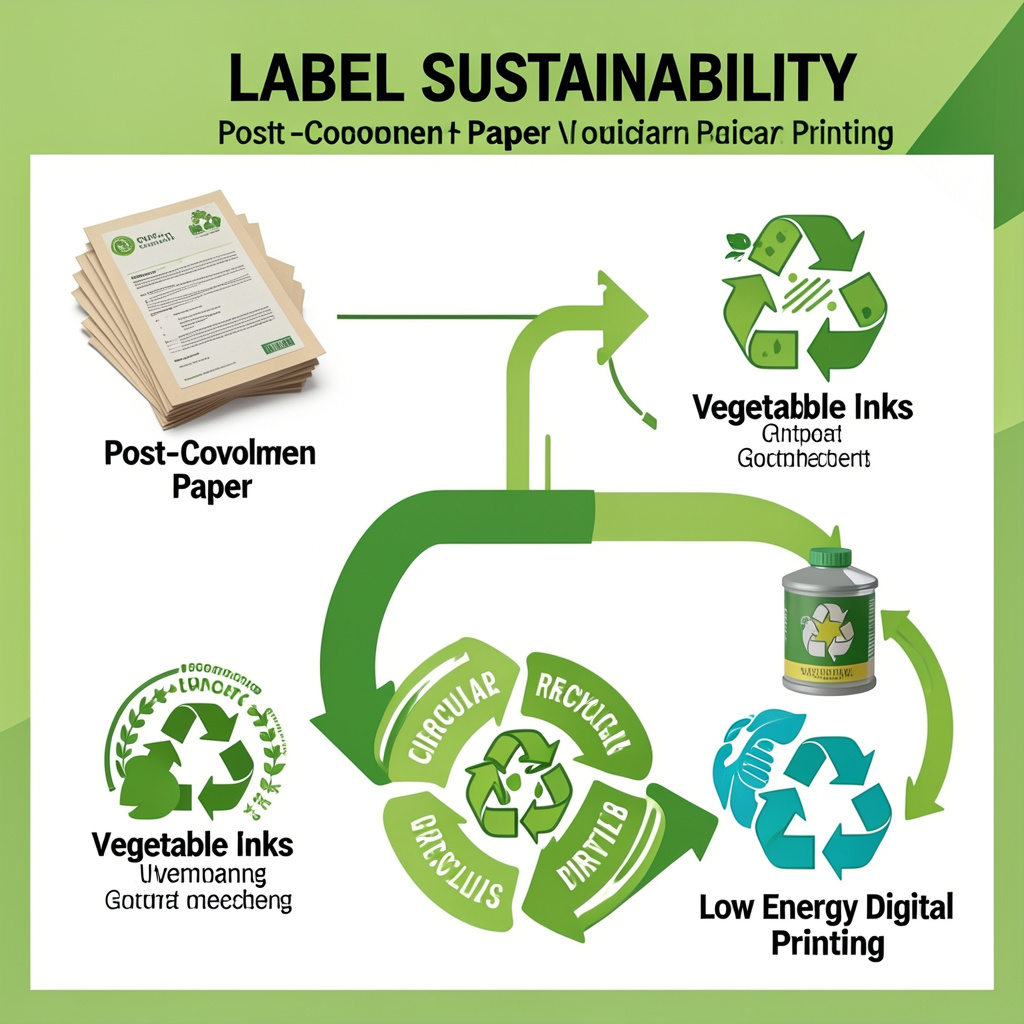
- recyclable label materialsreplacing plastic substrates • Water-based and low-VOC inks minimizing chemical impact • Digital printing technologies reducing setup waste and overproduction • Lightweight packaging designs optimizing material usage • Sustainable supply chains ensuring responsible sourcing and production
| Common Practice | Hidden Issue | Long-Term Impact |
| Plastic label usage | Non-recyclable waste | Increased environmental footprint |
| Conventional inks | Chemical emissions | Regulatory concerns |
| No lifecycle analysis | Inefficient material use | Higher waste generation |
| Isolated decisions | Lack of integration | Inconsistent sustainability results |
Practical Strategies to Adopt Sustainable Label Printing Trends for 2026
As FMCG brands respond to environmental pressures, adopting sustainable label printing trends 2026 is no longer optional—it is a strategic necessity. The solution lies in combining material innovation, advanced printing technologies, and efficient production workflows to create packaging that is both eco-friendly and commercially viable.
A structured approach to sustainable label printing for FMCG ensures that brands reduce environmental impact without compromising durability, compliance, or visual appeal.
Transition to Paper-Based and Recyclable Label Materials
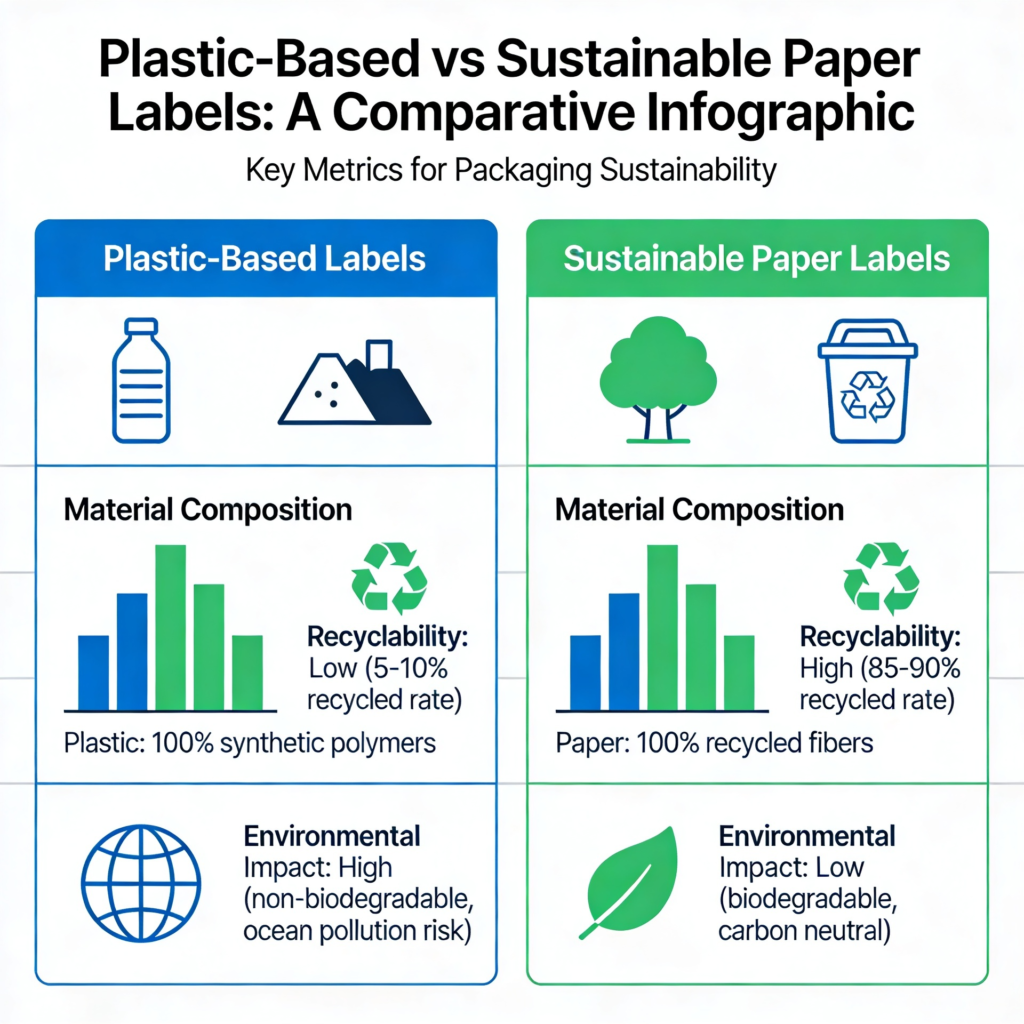
One of the most impactful changes is replacing plastic substrates with paper-based and recyclable label materials. These materials are compatible with modern recycling systems and significantly reduce packaging waste.
Key considerations include:
• Choosing FSC-certified or responsibly sourced paper
• Ensuring compatibility with carton packaging for easier recycling
• Selecting adhesives that do not hinder recyclability
Insight: Paper labels not only improve sustainability but also enhance brand perception by signaling environmental responsibility to consumers.
Use of Eco-Friendly Inks and Coatings
Printing inks and coatings often go unnoticed but play a major role in sustainability. Modern solutions focus on water-based, UV-curable, and low-VOC inks that reduce harmful emissions.
Best practices include:
• Switching from solvent-based to water-based inks
• Using low-migration inks for FMCG and food packaging
• Reducing heavy coatings that impact recyclability
These changes help brands meet regulatory standards while improving environmental performance.
Digital Printing for Waste Reduction and Flexibility
Digital printing has emerged as a key enabler of sustainable packaging. Unlike traditional methods, it eliminates extensive setup processes, reducing material wastage.
Benefits of digital printing:
• Minimal setup waste and faster production cycles
• Ideal for short runs and SKU variations
• Reduced overproduction and inventory waste
For brands working with an eco-friendly carton packaging printer Mumbai, digital printing supports agile and sustainable production strategies.
Lightweight Packaging and Material Optimization
Reducing the amount of material used in packaging is a simple yet powerful sustainability strategy. Lightweight labels and optimized carton designs help minimize environmental impact.
Approaches include:
• Thinner label substrates without compromising strength
• Optimized label sizes to reduce excess material
• Efficient carton design aligned with product dimensions
Result: Lower material consumption, reduced logistics costs, and improved sustainability metrics.
Building Sustainable Supply Chains and Production Workflows
Sustainability extends beyond materials—it includes sourcing, production, and logistics. Brands are increasingly focusing on integrated supply chains that support eco-friendly practices.
Key elements:
• Sourcing from certified sustainable material suppliers
• Reducing energy consumption in printing processes
• Implementing waste management and recycling systems
• Collaborating with experienced packaging partners who ensure compliance and scalability
Experienced providers help integrate these elements into a cohesive system, ensuring sustainability is practical—not just conceptual.
Comparing Sustainable Label Printing Technologies
Different printing technologies offer varying levels of sustainability depending on application and scale.
Printing Method | Waste Reduction | Material Compatibility | Best Use Case | Scalability |
Digital Printing | High | Excellent for paper labels | Short runs, multiple SKUs | Moderate |
Flexo Printing | Moderate | Wide material compatibility | Medium to large volumes | High |
Offset Printing | Moderate | Ideal for cartons and paper | High-volume production | Very High |
Key takeaway: The right choice depends on production volume, material type, and sustainability goals.
Ready to Upgrade to Sustainable Label Printing?
- Evaluate eco-friendly materials, inks, and printing technologies tailored to your product.
- Get expert guidance to implement scalable and compliant sustainable packaging solutions.
How Sustainable Label Printing Trends Are Reshaping FMCG Packaging in 2026
The packaging industry is undergoing a significant transformation as brands respond to environmental concerns, regulatory pressures, and evolving consumer expectations. The shift toward sustainable label printing trends 2026 is not just a temporary movement—it reflects a long-term change in how packaging is designed, produced, and evaluated across the FMCG sector.
Today, sustainability is becoming a core decision-making factor rather than an optional initiative. Companies adopting sustainable label printing for FMCG are aligning their packaging strategies with broader ESG (Environmental, Social, and Governance) commitments, while also responding to increased scrutiny from regulators and consumers.
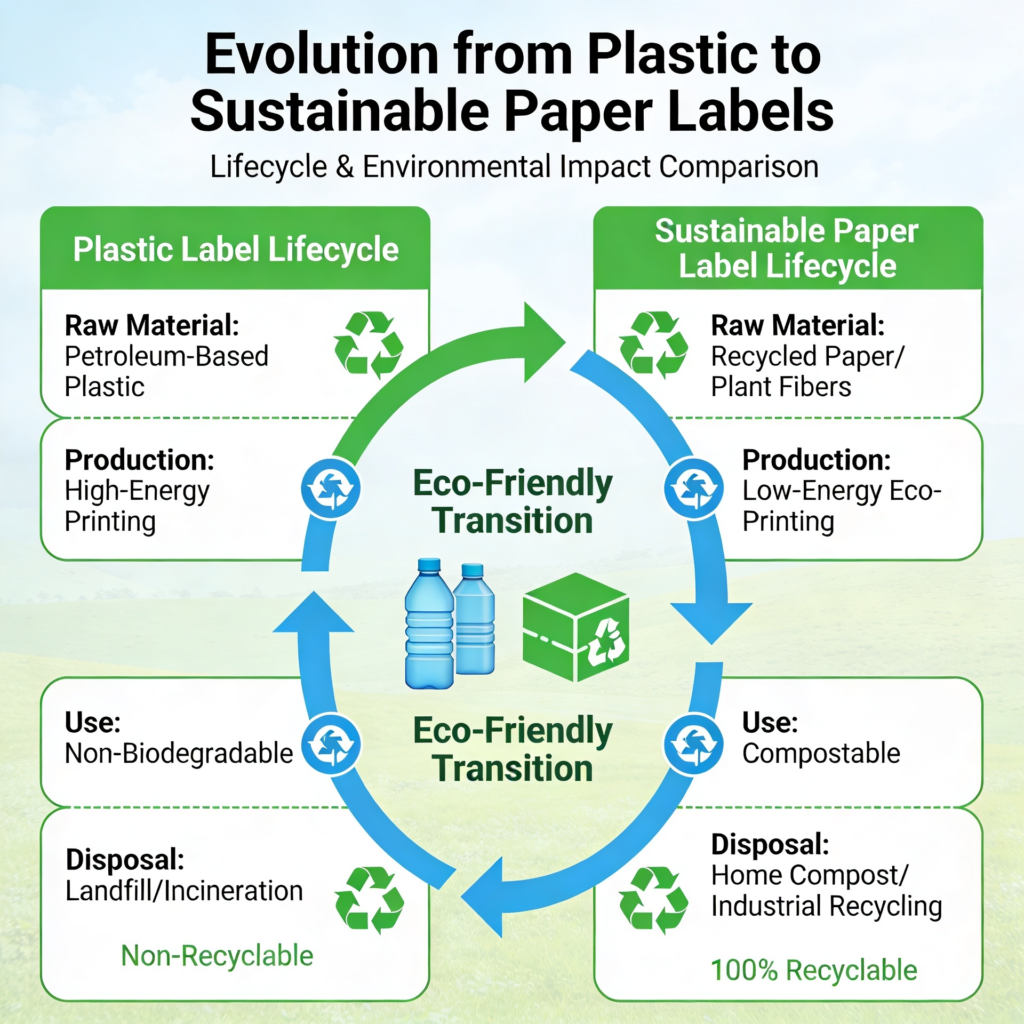
One of the most notable developments is the transition from linear packaging models to circular economy systems, where materials are designed to be reused, recycled, or composted. This shift is influencing how labels, cartons, and packaging components are manufactured and selected.
Key industry trends shaping sustainable packaging include:
- Regulatory compliance driving innovation– Governments are introducing stricter rules on plastic usage, waste management, and recyclability standards
• Consumer demand for transparency – Buyers increasingly prefer brands that demonstrate visible sustainability efforts through packaging
• Adoption of digital printing technologies – Reducing material waste and enabling flexible, low-volume production runs
• Shift toward recyclable and biodegradable materials – Paper-based labels and eco-friendly substrates are replacing conventional plastic alternatives
H3 – Strategic Considerations for Future-Ready Packaging
To stay competitive, businesses must go beyond surface-level sustainability and adopt a structured approach:
- Evaluate packaging lifecycle from sourcing to disposal
• Partner with aneco-friendly carton packaging printer Mumbai that understands compliance and scalability
• Invest in technologies that reduce waste without compromising performance
• Align packaging design with sustainability messaging and brand positioning
Expert Insight:
“Packaging is no longer just about protection and presentation—it is a direct reflection of a brand’s environmental responsibility. Companies that integrate sustainability into their packaging strategy early will gain both regulatory and competitive advantages.”
How FMCG Brands Are Adopting Sustainable Label Printing in Real-World Scenarios
For many FMCG companies, sustainability goals often begin as strategic intent but require practical execution to deliver measurable impact. A common example involves brands transitioning toward sustainable label printing trends 2026 while maintaining product performance and shelf appeal.
Situation:
A mid-sized FMCG brand planned to reduce its environmental footprint by eliminating plastic-based labels across its product range. The company aimed to adopt sustainable label printing for FMCG without affecting packaging durability, visual consistency, or distribution efficiency.
Challenge:
The transition presented multiple operational concerns:
• Ensuring paper-based labels could withstand moisture and handling conditions
• Maintaining consistent print quality across multiple SKUs
• Aligning new materials with existing packaging formats and supply chains
Solution Approach:
The brand implemented a phased strategy supported by experienced packaging specialists:
- Shifted topaper-based label materialscompatible with recyclable cartons
• Adopted digital printing technologies to reduce setup waste and manage SKU variations efficiently
• Integrated eco-friendly inks and adhesives to ensure compliance and recyclability
• Collaborated with an eco-friendly carton packaging printer Mumbai to align production processes with sustainability goals
Outcome:
• Significant reduction in plastic usage across packaging
• Improved brand perception among environmentally conscious consumers
• Enhanced compliance with sustainability standards and retailer requirements
• Streamlined production with reduced material wastage
This example highlights how structured implementation—not just material substitution—enables brands to successfully adopt sustainable packaging practices.
Want to Make Your Packaging More Sustainable?
- Explore eco-friendly label materials and printing solutions tailored to your products.
- Speak with packaging specialists who focus on scalable and responsible production practices.
Eco Packaging Is Shaping Consumer Perception
Sustainability has become a powerful factor influencing packaging design decisions. Consumers are increasingly aware of environmental issues, and packaging materials now play an important role in shaping brand perception.
Key sustainability trends include:
- Increased use of recyclable and paper-based packaging materials
- Minimal packaging designs that reduce waste
- Labels that clearly communicate environmental responsibility
By aligning packaging design with sustainability values, brands strengthen trust while demonstrating responsible business practices.
Minimalist Packaging Designs Improve Shelf Visibility
Another emerging trend in retail packaging is the shift toward minimalist design. Simplified layouts with fewer visual elements often perform better on crowded retail shelves because they are easier for consumers to recognize quickly.
Minimalist packaging typically emphasizes:
- Clean label layouts
- Strong typography
- Limited but impactful colour palettes
- Clear product messaging
This design philosophy supports effective custom packaging solutions by ensuring that packaging remains visually distinctive without overwhelming the consumer.
Integration of Packaging Design With Digital Brand Identity
Packaging is increasingly being integrated with broader brand communication strategies. Companies now design packaging to align with their digital presence, marketing campaigns, and online brand identity.
Examples of integrated packaging strategies include:
- QR codes linking to digital product experiences
- Packaging visuals that mirror website and social media branding
- Interactive packaging elements that extend brand storytelling
This alignment ensures that packaging remains consistent across both physical and digital consumer touchpoints.
Brands that combine thoughtful design strategy with production expertise are better positioned to create packaging that effectively communicates brand value while remaining practical for manufacturing.

How Strategic Packaging Design Helped an FMCG Product Gain Retail Shelf Visibility
Situation
Consider a mid-sized FMCG brand launching a new packaged food product in a highly competitive retail category. Despite having a high-quality product and competitive pricing, the company noticed that its products were often overlooked on store shelves. Customer feedback suggested that the packaging looked generic and difficult to recognize, making it hard for the brand to stand out among competitors.
This is a common challenge in retail environments where dozens of products compete for consumer attention. Without effective packaging design brand communication, even strong products may fail to capture interest at the point of purchase.
Challenge
The company identified several packaging-related issues affecting product visibility:
- Label layout lacked clear visual hierarchy
- Brand colours were inconsistent across packaging formats
- Typography was difficult to read from a distance
- Packaging materials did not reflect the brand’s sustainability values
As a result, the packaging failed to create packaging that connects with end consumers India, especially in crowded retail environments.
Solution
Working with packaging specialists, the company redesigned its packaging using a structured design approach focused on communication and shelf visibility.
Key improvements included:
- Redesigned label layout to highlight brand name and product benefits clearly
- A stronger colour identity system to improve brand recognition
- Improved typography and messaging clarity for easier readability
- Adoption of eco-friendly packaging materials aligned with sustainability goals
These improvements were implemented through well-planned custom packaging solutions that balanced design creativity with production feasibility.
Outcome
The results of the redesigned packaging were significant:
- Improved shelf visibility in retail stores
- Stronger brand recognition among consumers
- Increased engagement with the product packaging
- Greater alignment between packaging design and brand identity
This example illustrates how thoughtful packaging design can transform packaging into a powerful brand communication tool.
Want Your Packaging to Tell Your Brand Story?
- Discover how strategic packaging design can improve product visibility and consumer engagement.
- Speak with specialists who combine packaging design with manufacturing expertise.
Key Insights from Sustainable Label Printing Trends for 2026
- Sustainable label printing trends 2026are centered on reducing environmental impact through smarter materials, efficient production, and recyclable packaging systems.
- Paper-based labelsare rapidly replacing plastic substrates, making it easier for FMCG brands to align with recycling standards and sustainability goals.
- Digital printing technologiesenable low-waste production, faster turnaround, and better adaptability for multiple SKUs in sustainable label printing for FMCG.
- Eco-friendly inks and adhesivesare essential components, ensuring that packaging remains compliant, safe, and environmentally responsible throughout its lifecycle.
- Material optimization and lightweight packaginghelp reduce both production waste and logistics costs while maintaining product integrity.
- Working with aneco-friendly carton packaging printer Mumbaiensures that sustainability strategies are practical, scalable, and aligned with industry standards.
- Partnering with experienced packaging specialistsis critical to successfully implementing sustainable solutions without compromising quality, efficiency, or brand communication.
- unication. Thoughtful packaging design brand communication helps brands express identity, values, and product benefits directly through labels and packaging.
- Strong visual identity improves shelf visibility. Consistent colours, typography, and design structure make products easier for consumers to recognize and remember in crowded retail environments.
- Creating packaging that connects with end consumers India requires more than visual appeal. Packaging should communicate value, build emotional engagement, and guide consumers toward purchase decisions.
- Custom packaging solutions allow brands to align packaging design with product positioning. Strategic design decisions help reinforce whether a product is positioned as premium, sustainable, innovative, or value-driven.
- Sustainable material choices increasingly influence consumer perception. Eco-friendly packaging signals responsible business practices and strengthens brand trust.
- Working with experienced packaging specialists ensures that design concepts translate into practical, production-ready packaging without compromising visual impact or functionality.
Common Questions About Sustainable Label Printing Trends and FMCG Packaging
1. What is sustainable label printing?
Sustainable label printing refers to packaging practices that minimize environmental impact through eco-friendly materials, inks, and production processes. It aligns with sustainable label printing trends 2026, focusing on recyclability, reduced waste, and energy-efficient printing methods while maintaining label performance and product appeal.
2. How do paper labels help reduce environmental impact?
Paper labels are more easily recyclable compared to plastic substrates, especially when used with compatible cartons. They support circular packaging systems, reduce landfill waste, and align with sustainability goals. For many brands, switching to paper is a key step in sustainable label printing for FMCG applications.
3. Which printing technology is most eco-friendly?
Digital printing is often considered the most eco-friendly due to minimal setup waste and reduced overproduction. However, flexo and offset can also be sustainable when optimized with eco-friendly inks and materials. The best choice depends on volume, material type, and production requirements.
4. Are sustainable labels suitable for FMCG products?
Yes, modern sustainable labels are designed to meet FMCG requirements, including durability, moisture resistance, and print quality. With the right materials and adhesives, they perform effectively across supply chains while supporting environmental compliance and brand positioning.
5. How can businesses transition to eco-friendly packaging?
Businesses should start by evaluating current materials, switching to recyclable substrates, and adopting efficient printing methods. Partnering with an eco-friendly carton packaging printer Mumbai helps ensure the transition is practical, compliant, and scalable, especially when aligning with long-term sustainability strategies.
Conclusion
Sustainability is no longer a future consideration—it is a present-day requirement for FMCG brands looking to stay relevant and responsible. The shift toward sustainable label printing trends 2026 highlights how materials, printing technologies, and production workflows are evolving to reduce environmental impact while maintaining packaging performance.
Adopting sustainable label printing for FMCG requires more than switching materials—it demands a structured approach backed by the right expertise and infrastructure. From paper-based labels to eco-friendly inks and efficient printing methods, every decision plays a role in building a sustainable packaging strategy.
Working with an experienced eco-friendly carton packaging printer Mumbai ensures that sustainability initiatives are practical, scalable, and aligned with industry standards. Reliable partners help translate sustainability goals into consistent, high-quality packaging outcomes.
Ready to Build a Sustainable Packaging Strategy?
- Explore eco-friendly label printing solutions tailored to your product and industry.
- Connect with experts who combine sustainability with production efficiency.