
Why Choosing the Right Printing Method Matters for Modern Packaging
For packaging buyers in FMCG, pharmaceutical, and manufacturing industries, selecting the right printing technology is one of the most important production decisions. Many businesses launching new products or scaling packaging volumes face a common challenge: understanding the difference between flexo vs offset vs digital printing and determining which method best supports their packaging goals.
At first glance, all three printing methods appear capable of producing high-quality packaging. However, the real difference lies in how each technology performs when it comes to volume, colour consistency, speed, and cost efficiency. Choosing the wrong printing process can result in production delays, colour mismatches across packaging batches, or increased per-unit printing costs—issues that can directly affect brand perception and supply chain efficiency.
Modern packaging teams therefore evaluate printing technologies based on several critical factors:
- packaging format such as labels, cartons, or flexible packaging
- production volume and SKU complexity
- turnaround timelines for product launches
- consistency requirements for retail or export packaging
This guide explores how flexo printing for labels, offset printing for cartons, and digital printing for packaging differ in real-world applications. It also explains how experienced printing partners like Star Offset help businesses choose the most efficient printing method for labels, cartons, and large-scale packaging production.
Not Sure Which Printing Method Fits Your Packaging?
Choosing between flexo, offset, and digital printing can significantly impact your packaging cost, speed, and brand consistency.
- Get expert guidance on the most efficient printing method for your labels, cartons, or packaging formats.
- Discuss your SKU volumes, materials, and packaging timelines with experienced specialists.
What Is the Difference Between Flexo, Offset, and Digital Printing for Packaging?
Understanding flexo vs offset vs digital printing is essential for packaging buyers choosing the right production method for labels and cartons.
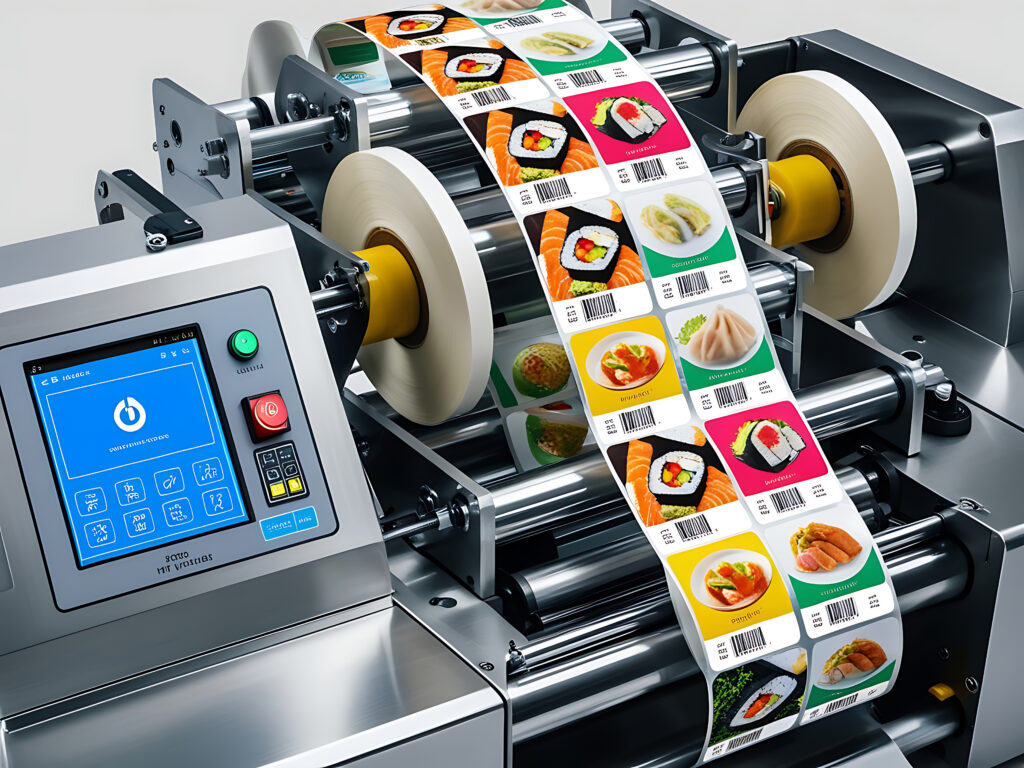
- Flexo printing uses flexible relief plates and roll-fed materials, making it ideal for high-speed label printing and flexible packaging production.
- Offset printing transfers ink from plates to cartons through a rubber blanket, producing high-quality packaging cartons with precise colour consistency.
- Digital printing prints directly from digital files without plates, allowing fast short-run packaging production and variable data printing.
In simple terms:
- Flexo printing works best for labels and roll-based packaging
- Offset printing is best for large-volume cartons and retail packaging
- Digital printing is ideal for small batches, prototypes, and multi-SKU packaging
Selecting the right printing method depends on factors such as print volume, packaging format, turnaround speed, and finishing requirements.
When the Wrong Printing Technology Sabotages Your Packaging Strategy
For many product companies, packaging decisions are often driven by speed, cost estimates, or vendor recommendations rather than a deep understanding of printing technologies. As a result, businesses frequently underestimate how much the choice between flexo vs offset vs digital printing can influence packaging performance, production timelines, and brand consistency.
This challenge is particularly common in industries such as FMCG, pharmaceuticals, cosmetics, and consumer products, where packaging must balance quality, scalability, and regulatory requirements. When teams select a printing method without aligning it to the packaging format—such as labels versus cartons—they may encounter operational issues that appear only after production begins.
Why Businesses Struggle to Choose the Right Printing Method
Many packaging teams face uncertainty because each printing technology serves different use cases. Without clear guidance, decision-makers often rely on incomplete assumptions about cost or speed.
Common reasons for misaligned printing choices include:
- Selecting digital printing for large-volume carton production, assuming faster turnaround will reduce costs.
- Using offset printing for short runs, resulting in higher setup costs due to plate preparation.
- Overlooking flexo printing for labels, even though it is designed for high-speed roll-based production.
- Evaluating printing vendors based solely on price rather than technology capabilities and production infrastructure.
The Real Risks of Choosing the Wrong Printing Method
When printing technology does not match packaging requirements, businesses may face several operational challenges:
- Colour inconsistency across packaging batches, especially in retail-facing products.
- Delayed packaging production timelines, affecting product launches.
- Increased reprint costs and material waste due to incorrect printing processes.
- Reduced shelf appeal because finishing options are limited by the chosen technology.
Common Printing Method Misalignment in Packaging Projects
| Packaging Requirement | Common Mistake | Resulting Issue |
| Large-volume carton printing | Choosing digital printing for packaging | Higher per-unit cost and slower production |
| Short-run packaging or prototypes | Using offset printing with plate setup | High setup cost for small volumes |
| High-volume label production | Not using flexo printing for labels | Slower production and inconsistent output |
| Multi-SKU packaging tests | Using offset instead of digital | Limited flexibility for design changes |
These challenges explain why packaging leaders increasingly evaluate label printing methods in India more strategically. Understanding how flexo printing for labels, offset vs digital printing for cartons, and digital printing for packaging prototypes differ can help businesses avoid costly production errors.
Companies with experience in multiple printing technologies—such as those offering flexo label printing in Mumbai alongside offset and digital capabilities—are often better positioned to guide packaging teams toward the most efficient solution.
How to Choose the Right Packaging Printing Method: Flexo vs Offset vs Digital
Selecting the right printing technology is one of the most important decisions in packaging production. Each method—flexo, offset, and digital—has unique strengths depending on packaging format, volume requirements, and production timelines.
Understanding flexo vs offset vs digital printing helps packaging teams avoid unnecessary costs, maintain brand consistency, and ensure scalable production as product demand grows.
Packaging leaders typically evaluate printing technologies based on five critical decision factors:
- Production volume
- Packaging format (labels vs cartons)
- Turnaround timelines
- Design complexity and SKU variation
- Long-term cost efficiency
By aligning these factors with the appropriate printing technology, businesses can build packaging strategies that support both operational efficiency and brand consistency.
Understanding the Three Core Packaging Printing Technologies
Before selecting a printing method, it is important to understand how each technology works and where it performs best within modern label printing methods in India.
| Criteria | Flexo Printing | Offset Printing | Digital Printing |
| Typical Use | Labels, flexible packaging | Mono cartons, retail packaging | Prototypes, short runs |
| Best Volume Range | High-volume roll production | Medium to high-volume cartons | Short runs (10–5000 units) |
| Setup Requirements | Printing plates | Printing plates | No plates required |
| Colour Consistency | High | Very high | Moderate |
| Customization | Limited | Limited | Excellent |
| Speed | Very high | High | Moderate |
| Ideal Industries | FMCG labels, logistics | Pharma cartons, retail packaging | Startups, pilot launches |
Each of these packaging printing methods for FMCG and pharma brands serves a different purpose in the packaging lifecycle.
When Flexo Printing Is the Best Choice for Labels
Flexographic printing is widely used for high-volume label production and roll-based packaging materials. The technology uses flexible printing plates and high-speed rotary presses to produce labels efficiently.
Flexo printing for labels is ideal when:
- Large quantities of product labels are required
- Packaging uses roll-based materials such as stickers, wrap-around labels, or flexible packaging
- Production requires very high printing speed
- Long-term label consistency is important for retail distribution
Flexo printing is commonly used for:
- FMCG product labels
- Beverage bottle labels
- Logistics and shipping labels
- Industrial product labeling
Facilities offering flexo label printing in Mumbai typically support large production runs while maintaining uniform print quality across batches.
When Offset Printing Works Best for Cartons and Packaging
Offset printing is one of the most widely used technologies for mono cartons, retail packaging boxes, and pharmaceutical cartons. The process transfers ink from metal plates to rubber blankets and then onto paperboard.
Offset printing becomes particularly effective when packaging production scales.
Offset printing advantages include:
- Precise colour matching using Pantone systems
- High-quality print results for retail packaging
- Cost efficiency for large-volume carton production
- Support for advanced finishing techniques such as embossing, foil stamping, and spot UV
Offset is commonly used for:
- Pharma cartons
- Cosmetics packaging
- Electronics packaging boxes
- FMCG retail cartons
Because of its precision and scalability, offset printing remains a preferred method when evaluating offset vs digital printing for cartons.
When Digital Printing Is Ideal for Packaging Flexibility
Digital printing eliminates the need for plates and prints directly from digital files. This makes it particularly useful for short-run packaging, testing, and multi-SKU product launches.
Digital printing for packaging works best when:
- Packaging runs are small or experimental
- Brands are testing multiple product designs
- Variable data such as QR codes, batch numbers, or localized content is required
- Fast turnaround times are critical
Typical use cases include:
- Startup product launches
- Limited edition packaging
- Seasonal promotions
- Market testing of packaging designs
Digital printing is not always the most cost-effective option for high-volume packaging, but it offers unmatched flexibility.
A Practical Decision Framework for Packaging Teams
To simplify the decision-making process, packaging teams often use a simple framework when comparing flexo vs offset vs digital printing.
| Decision Factor | Best Printing Method |
| High-volume label production | Flexo printing |
| High-volume cartons or retail packaging | Offset printing |
| Short runs or prototype packaging | Digital printing |
| Multi-language or multi-SKU testing | Digital printing |
| Premium finishing and colour consistency | Offset printing |
By applying this framework early in the packaging development process, companies can prevent production delays and optimize long-term packaging costs.
Experienced printing partners often help packaging teams evaluate these factors during the planning phase, ensuring the selected printing technology aligns with the product’s distribution scale and branding requirements.
Expert Tip: Align Printing Technology With Packaging Strategy
One common mistake businesses make is selecting a printing method based purely on initial cost estimates. However, the most effective packaging strategies consider:
- Long-term scalability
- brand consistency across regions
- compatibility with packaging materials
- distribution volumes
Many modern printing companies support multiple technologies—including flexo, offset, and digital—to help brands scale packaging production efficiently as demand grows.
Not Sure Which Printing Method Fits Your Packaging?
Choosing between flexo, offset, and digital printing can significantly impact your packaging cost, speed, and brand consistency.
- Get expert guidance on the most efficient printing method for your labels, cartons, or packaging formats.
- Discuss your SKU volumes, materials, and packaging timelines with experienced specialists.
How Packaging Leaders Evaluate Flexo, Offset, and Digital Printing in Modern Manufacturing
As packaging operations become more complex, companies are moving beyond simple cost comparisons when evaluating flexo vs offset vs digital printing. Today’s packaging leaders—particularly in FMCG, pharmaceuticals, cosmetics, and retail manufacturing—view printing technology as a strategic production decision that influences brand consistency, scalability, and sustainability.
Across label printing methods in India, three printing technologies dominate modern packaging manufacturing. However, their adoption varies depending on packaging format, production scale, and operational requirements.
A closer look at industry practices reveals a clear pattern.
| Printing Technology | Typical Packaging Format | Industry Adoption | Key Advantage |
| Flexo Printing | Labels, flexible packaging | High | High-speed roll-based production |
| Offset Printing | Mono cartons, retail boxes | Very High | Colour precision and finishing quality |
| Digital Printing | Short-run packaging | Growing | Fast setup and design flexibility |
In large-scale packaging operations, these technologies are rarely viewed as competitors. Instead, they function as complementary tools within a broader packaging production strategy.
Industry Trend: Technology Matching Packaging Format
Experienced packaging teams increasingly align printing technology with packaging format rather than selecting a single universal method.
Key industry insights include:
Flexo printing for labels remains the preferred method for high-volume roll-based label production. Its high-speed presses make it ideal for FMCG products that require millions of labels annually.
Offset vs digital printing cartons continues to be a major consideration for brands producing retail packaging. Offset printing dominates this category due to its consistent colour reproduction and compatibility with premium finishing techniques.
Digital printing for packaging is gaining adoption for product launches, regional variants, and multi-SKU packaging strategies.
This approach allows brands to maintain both production efficiency and packaging flexibility.
Sustainability Is Influencing Printing Decisions
Sustainability is also becoming a major factor in packaging technology decisions. Companies are increasingly evaluating how printing processes affect material waste, energy usage, and recyclability.
Common sustainability considerations include:
- Optimized ink consumption in modern flexo presses
- Reduced setup waste in digital printing
- Efficient large-batch production in offset printing
- Increased use of paper-based packaging materials instead of plastic
Industry analysts often emphasize that sustainability depends less on the technology itself and more on matching the correct printing process to the production scale.
“The most sustainable packaging printing strategy is not choosing one technology over another, but choosing the right technology for the right packaging format and production volume.”
This perspective explains why many advanced packaging manufacturers maintain flexo, offset, and digital capabilities within the same production ecosystem, enabling brands to scale packaging efficiently as product demand evolves.

When the Right Printing Strategy Transformed a Growing FMCG Brand’s Packaging
A practical example helps illustrate how choosing the correct printing technology can significantly improve packaging performance. Many brands discover the importance of flexo vs offset vs digital printing only after facing costly production challenges.
Situation
An emerging FMCG company expanding across Maharashtra was preparing to launch several new packaged products. Their packaging strategy included:
- 30,000+ mono cartons for retail distribution
- Multiple product labels for different SKUs
- Packaging designed for both supermarkets and regional distributors
To reduce initial setup costs, the company chose digital printing for packaging for both cartons and labels.
Challenge
While digital printing worked well for early prototype batches, problems began appearing as production volumes increased:
- Colour variations between packaging batches
- Slower production speed when printing large quantities
- Rising per-unit packaging costs
- Retail partners reporting inconsistent shelf presentation
These issues are common when the printing method does not match the packaging format or production scale.
| Packaging Component | Initial Printing Method | Problem Encountered |
| Retail cartons | Digital printing | Higher cost and inconsistent colour |
| Product labels | Digital printing | Slower production for large volumes |
Solution
After reviewing the packaging workflow, the company redesigned its production strategy using a combination of label printing methods in India best suited for each packaging format.
The revised approach included:
- Offset printing for high-volume cartons to ensure consistent colour reproduction across large batches
- Flexo printing for labels, allowing high-speed roll-based label production
- Retaining digital printing for packaging prototypes and small test runs
- This hybrid strategy leveraged the strengths of each technology—flexo, offset, and digital.
Outcome
Within one production cycle, the new strategy delivered measurable improvements:
- Uniform brand colour across all retail packaging
- Reduced per-unit packaging cost for large carton runs
- Faster production timelines for label printing
- Improved shelf consistency across retail stores
This example highlights why experienced packaging teams carefully evaluate flexo printing for labels, offset vs digital printing cartons, and overall packaging printing methods for FMCG and pharma before finalizing a production strategy.
Want to Test Flexo, Offset, or Digital Before Your Next Packaging Run?
Choosing the right printing method can dramatically impact packaging quality and production cost.
- Compare flexo, offset, and digital printing samples before committing to large packaging runs.
- Evaluate colour consistency, material compatibility, and finishing options with expert guidance.
Key Insights for Choosing Between Flexo, Offset, and Digital Printing
- Understanding flexo vs offset vs digital printing is essential for efficient packaging production. Each technology serves different purposes depending on packaging format, production volume, and design requirements.
- Flexo printing for labels is the most efficient solution for high-volume roll-based label production. It enables high-speed printing with consistent output, making it widely used in FMCG, logistics, and retail packaging operations.
- Offset printing remains the preferred choice for large-scale carton production. When evaluating offset vs digital printing cartons, offset provides superior colour accuracy, finishing options, and cost efficiency for bulk packaging.
- Digital printing for packaging offers flexibility for short runs and rapid design changes. It is ideal for product launches, prototype packaging, and testing multiple SKU variations before scaling production.
- Packaging decisions should always align with volume, packaging format, and turnaround timelines. Selecting the wrong printing method can increase costs, delay production, and create inconsistencies across retail packaging.
- Working with experienced printing specialists helps brands select the right label printing methods in India. Knowledgeable partners can guide companies toward scalable solutions such as flexo label printing in Mumbai for labels and offset for cartons.
Common Questions About Flexo vs Offset vs Digital Printing for Packaging
1.What is the difference between flexo, offset, and digital printing?
The key difference in flexo vs offset vs digital printing lies in how ink is applied and the scale each method supports. Flexo printing uses flexible plates for high-speed roll-based label production. Offset printing uses metal plates for precise carton printing, while digital printing produces packaging directly from digital files without plates, making it suitable for short runs and prototypes.
2.Which printing method is best for packaging cartons?
Offset printing is typically the best option for cartons, especially in FMCG and pharmaceutical packaging. When comparing offset vs digital printing cartons, offset offers better colour consistency, finishing capabilities, and lower per-unit costs for large production volumes. Digital printing is better suited for smaller packaging batches or prototype cartons.
3. When should businesses choose flexo printing for labels?
Flexo printing for labels is ideal when businesses need high-volume label production with consistent quality. It is commonly used for product labels, bottle labels, and logistics labels because it supports high-speed roll printing and works well with flexible packaging materials.
4.Is digital printing suitable for large packaging runs?
Digital printing works best for short runs, product launches, or packaging prototypes. While digital printing for packaging offers flexibility and fast setup, it may become less cost-efficient for very large production volumes compared with offset or flexo printing methods.
5.How do companies decide the right printing method for packaging?
Packaging teams typically evaluate several factors when selecting label printing methods in India, including packaging format (labels vs cartons), print volume, turnaround time, and finishing requirements. Many companies consult experienced packaging specialists who can recommend the most efficient combination of flexo, offset, and digital printing technologies.
Conclusion
Choosing the right packaging printing method is not simply a technical decision—it is a strategic one that directly impacts brand consistency, production efficiency, and long-term cost control. Understanding flexo vs offset vs digital printing helps businesses align their printing technology with packaging format, production volume, and market expansion plans.
Flexo printing works best for high-volume labels, offset printing excels in large carton production, and digital printing provides flexibility for short runs and testing new packaging concepts. When these technologies are used strategically, companies can maintain consistent brand presentation while optimizing production speed and cost.
Experienced packaging partners such as Star Offset help businesses evaluate the most suitable label printing methods in India, ensuring packaging decisions support scalable growth, reliable production, and strong shelf presence.
Ready to Choose the Right Printing Strategy for Your Packaging?
- Compare flexo, offset, and digital printing options for your labels and cartons.
- Get expert guidance based on your packaging volume, materials, and production timelines.