
Why Interactive Packaging Labels Are Redefining Customer Engagement in FMCG and Retail
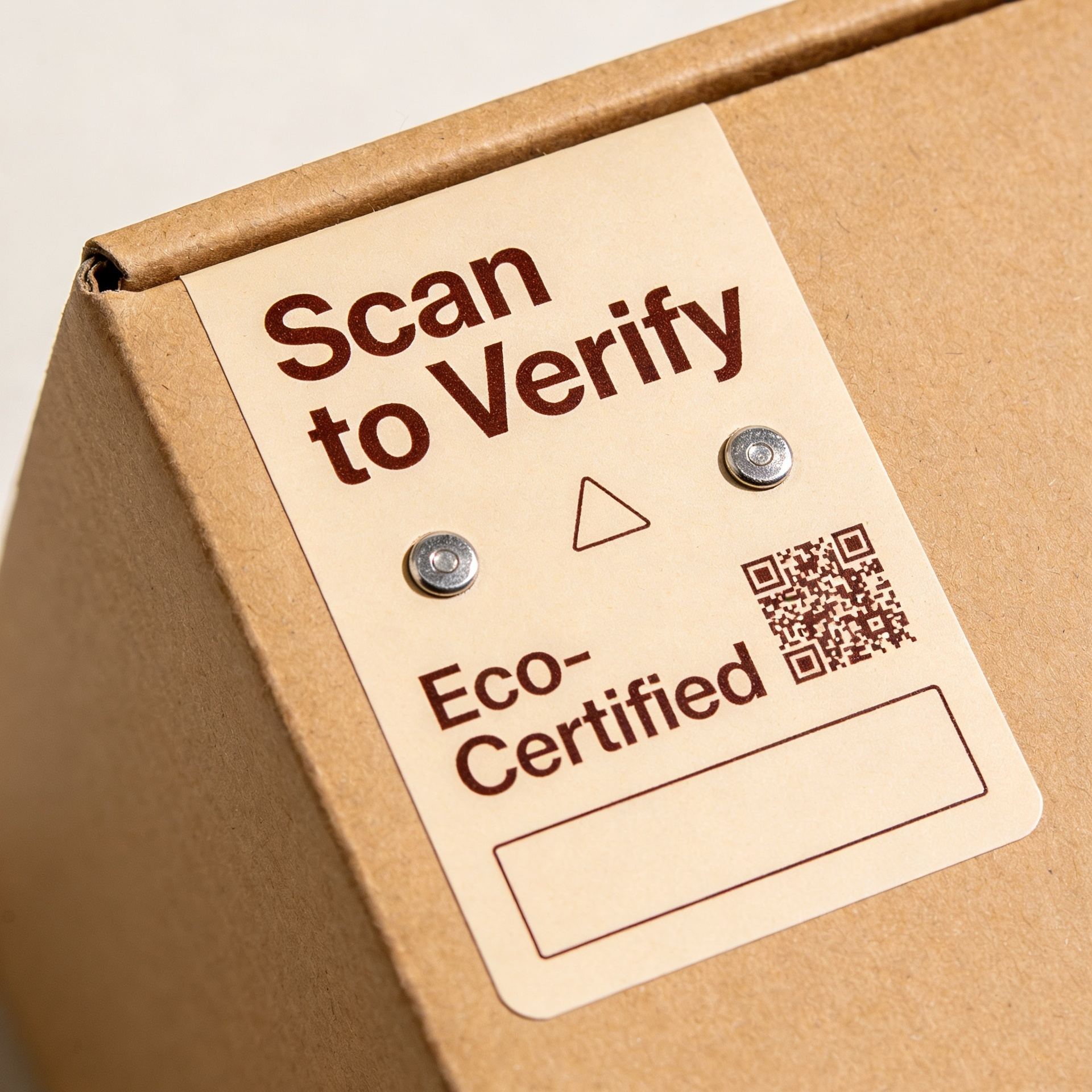
In today’s competitive FMCG and retail landscape, packaging is no longer just about product protection—it is a powerful communication tool. Yet, many brands still rely on static designs that fail to engage customers or create memorable experiences. This growing challenge of low interaction and limited brand recall has led to the rise of interactive packaging labels as a game-changing solution.
Unlike traditional labels, interactive solutions allow brands to connect with consumers beyond the shelf. By integrating digital elements such as QR codes, NFC, and augmented reality labels, packaging becomes a gateway to immersive experiences, product information, and personalized engagement.
For businesses, this shift is not just about innovation—it is about staying relevant in a digital-first market. Consumers today expect more transparency, interaction, and value from every purchase.
Brands are increasingly exploring:
• personalized product labels for targeted communication
• real-time engagement through smart packaging
• data-driven insights from customer interactions
Companies like Star Offset understand these evolving demands and help bridge the gap between traditional packaging and digital innovation. With advanced printing capabilities and a focus on smart packaging solutions, they enable brands to transform packaging into an interactive experience.
This article explores how interactive labels work, why they matter, and how businesses can leverage them to enhance engagement and drive growth.
What Are Interactive Packaging Labels and How Do They Work?
Interactive packaging labels are smart labels that use digital technologies to enable two-way communication between a product and the consumer. Instead of being static, these labels allow users to scan, tap, or interact with packaging to access additional content and experiences.
Common types include:
• QR code-based labels that link to videos, product details, or offers
• NFC-enabled labels for instant mobile interaction
• augmented reality labels that create immersive brand experiences
Key benefits:
• enhanced customer engagement and brand storytelling
• improved product transparency and traceability
• ability to deliver personalized and dynamic content
These labels transform packaging into an interactive platform, helping brands connect with customers in more meaningful and measurable ways.
Want to Make Your Packaging More Engaging?
- Turn every product into a digital experience
- Add smart, interactive features to your packaging
- Get expert guidance on implementing interactive label solutions
Why Traditional Packaging Fails to Drive Engagement in a Digital-First Market
In today’s experience-driven marketplace, packaging is expected to do more than just display product information—it must engage, inform, and connect with customers. However, many brands still rely on outdated, static designs that fail to capture attention or deliver meaningful interaction. This is where the gap between traditional packaging and interactive packaging labels becomes evident.
The core problem lies in the limited communication capability of conventional labels. Static packaging offers one-way messaging, leaving no room for interaction, personalization, or real-time engagement. As consumer expectations evolve, especially in FMCG and retail, this lack of interactivity leads to reduced brand recall and weaker customer relationships.
Common challenges businesses face include:
• Static labels that restrict engagement, offering no digital or interactive experience
• Lack of personalized product labels, resulting in generic and less impactful communication
• Missed opportunities to leverage augmented reality labels and QR-based storytelling
• No mechanism to capture customer data or feedback through packaging
These issues often stem from:
• reliance on traditional printing approaches without digital integration
• lack of awareness about smart packaging technologies
• poor coordination between marketing, design, and production teams
Even experienced manufacturers like Star Offset observe that many brands underestimate how packaging can influence customer interaction. Without adopting innovative solutions, businesses risk falling behind competitors who are already using digital packaging to enhance engagement.
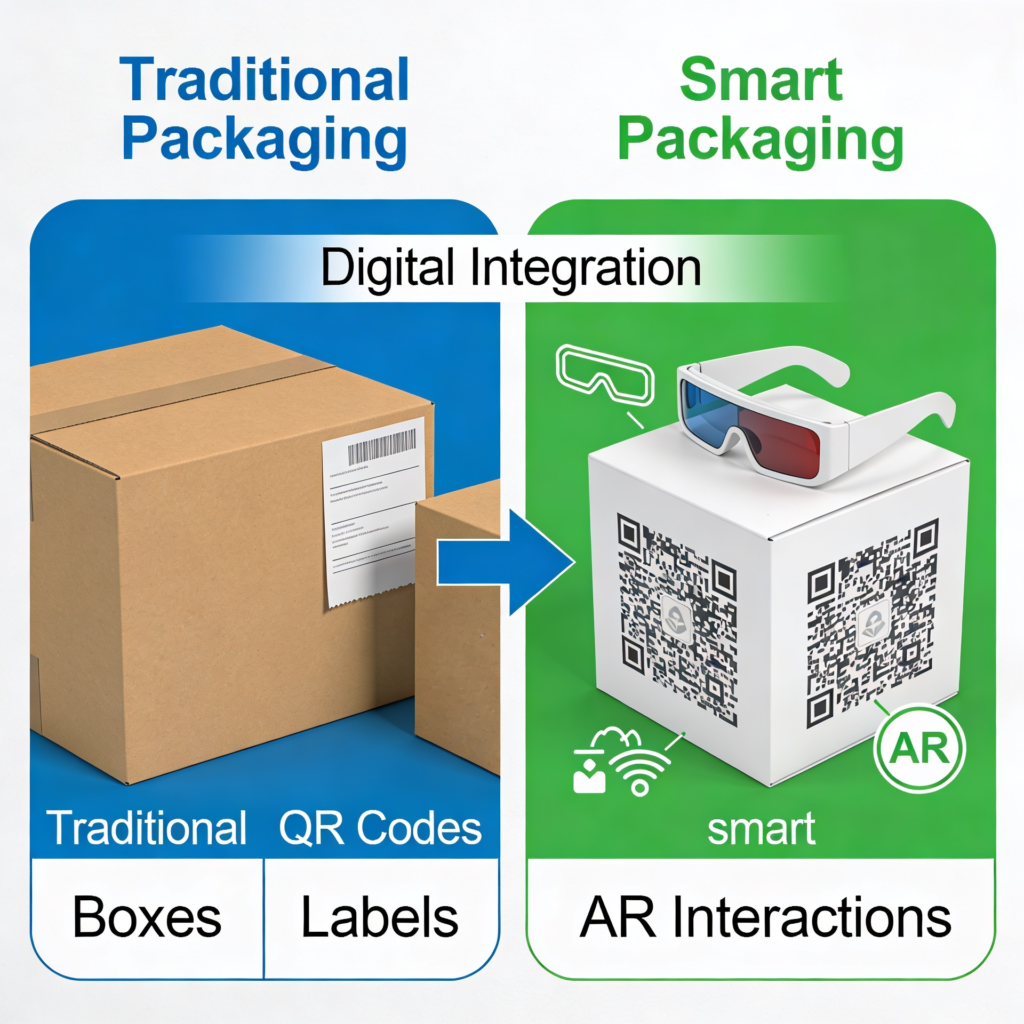
Traditional vs Interactive Packaging: Engagement Gap
Aspect | Traditional Packaging | Interactive Packaging |
Communication | One-way | Two-way interaction |
Engagement | Low | High |
Personalization | Limited | Dynamic and targeted |
Data Collection | None | Real-time insights |
Key Consequences of Ignoring This Shift:
• declining customer engagement and reduced shelf impact
• missed opportunities for brand storytelling and differentiation
• inability to gather valuable consumer insights
• weaker connection with digitally active consumers
As packaging continues to evolve, businesses must rethink their approach to stay relevant and competitive in a digitally connected world.
How Interactive Packaging Labels Transform Customer Experience and Drive Engagement
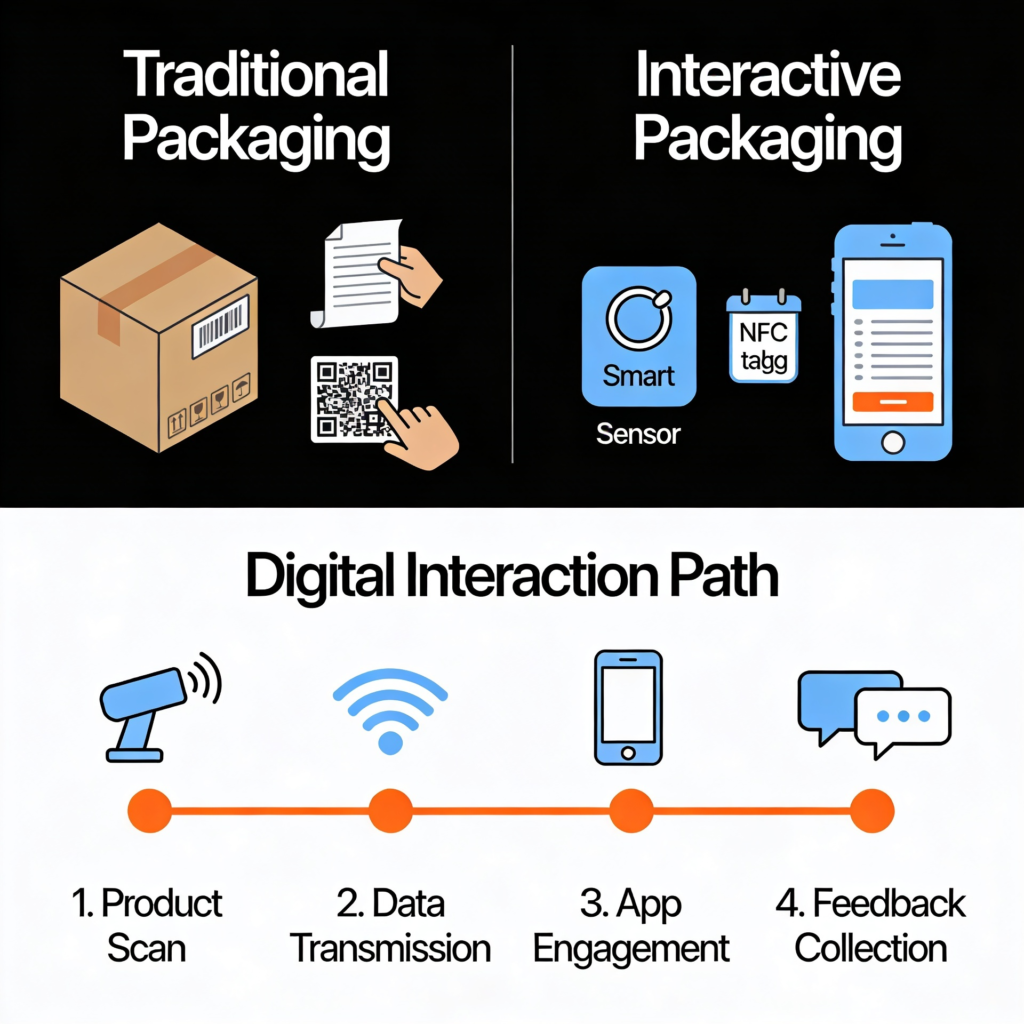
To overcome the limitations of static packaging, brands are increasingly adopting interactive packaging labels as a strategic solution. These labels bridge the gap between physical products and digital experiences, enabling real-time engagement, personalization, and measurable customer interaction.
Unlike traditional labels, interactive solutions create a two-way communication channel that allows brands to deliver dynamic content, capture user behavior, and enhance product storytelling. The transformation lies not just in technology, but in how packaging becomes an active part of the customer journey.
Key Technologies Powering Interactive Packaging Labels
Modern interactive packaging is built on a combination of digital technologies that enhance usability and engagement:
- QR Codes– Enable instant access to product details, videos, promotions, and brand stories
- NFC (Near Field Communication) – Allows tap-based interaction for seamless user experience
- Augmented Reality Labels – Deliver immersive experiences such as 3D visuals, tutorials, or virtual storytelling
- Smart Sensors & Digital Tags – Provide traceability, authentication, and real-time updates
These technologies turn packaging into an interactive interface, making it more engaging and informative for consumers.
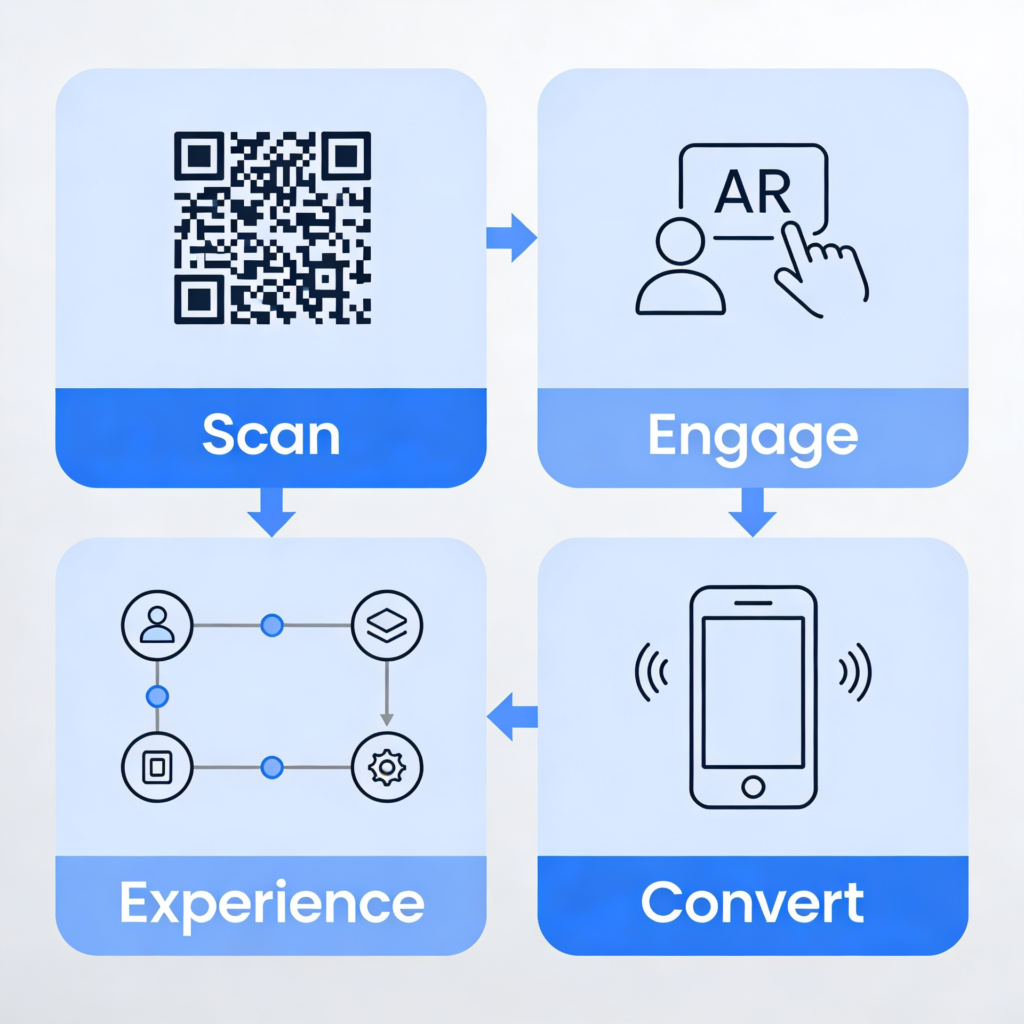
Step-by-Step Customer Journey: From Scan to Conversion
A well-designed interactive packaging strategy follows a structured engagement flow:
- Scan or Tap
The customer interacts with the label using a smartphone (QR/NFC) - Interactive Experience
Access to digital content such as videos, AR experiences, or product information - Engagement & Value Delivery
Personalized offers, usage instructions, or brand storytelling - Conversion & Retention
Encourages purchase decisions, loyalty, and repeat engagement
Key Insight:
The effectiveness of interactive packaging lies in how seamlessly it guides users from curiosity to action.
Role of Personalization in Enhancing Customer Connection
One of the biggest advantages of interactive labels is the ability to create personalized product labels that resonate with specific audiences.
Brands can deliver:
• targeted content based on location, demographics, or behavior
• customized promotions and loyalty programs
• unique storytelling experiences for different product segments
This level of personalization strengthens emotional connection and improves customer retention, especially in competitive FMCG markets.
Business Benefits of Interactive Packaging Labels
Implementing interactive packaging delivers measurable advantages:
- Enhanced Customer Engagement– Increased interaction time and brand recall
- Improved Transparency – Easy access to product origin, ingredients, and usage information
- Data-Driven Insights – Ability to track user behavior and preferences
- Stronger Brand Differentiation – Unique packaging experiences that stand out on shelves
Comparison: Traditional vs Interactive Packaging Impact
Factor | Traditional Labels | Interactive Packaging Labels |
Engagement | Low | High |
Communication | Static | Dynamic & real-time |
Personalization | Limited | Highly customizable |
Data Collection | None | Actionable insights |
Implementing Interactive Packaging at Scale
While the concept is powerful, execution requires the right combination of technology, infrastructure, and expertise.
An experienced interactive packaging label printing company ensures:
• seamless integration of digital elements into physical labels
• compatibility with high-speed production environments
• consistent print quality for scannable and durable labels
• alignment between design, marketing, and technology teams
Organizations like Star Offset bring a technology-driven approach to this transformation. By combining advanced printing infrastructure with smart label integration capabilities, they help brands implement scalable and reliable interactive packaging solutions without disrupting existing workflows.
Best Practices for Successful Interactive Label Strategy
To maximize impact, businesses should follow these best practices:
- Keep interaction simple and intuitive– Ensure easy scanning or tapping experience
- Deliver real value – Provide useful or engaging content beyond basic information
- Ensure technical reliability – Test QR codes, AR features, and digital links thoroughly
- Align with brand storytelling – Use interactive labels as an extension of brand identity
• Measure performance – Track engagement metrics to optimize future campaigns
Expert Insight:
“Interactive packaging is most effective when it combines technology with meaningful content—creating experiences that customers actually want to engage with.”
Upgrade to Smart Packaging Solutions
- Engage customers beyond the shelf with interactive experiences
- Add digital intelligence to your packaging strategy
- Get expert support for scalable implementation
Emerging Trends in Interactive Packaging Labels Shaping the Future of FMCG and Retail
The packaging industry is undergoing a significant transformation, driven by the need for deeper customer engagement and smarter brand communication. As consumer behavior shifts toward digital interaction, interactive packaging labels are rapidly becoming a core strategy for brands looking to stay competitive.
One of the most notable trends is the integration of immersive technologies such as augmented reality labels, which allow brands to deliver engaging, story-driven experiences directly through packaging. Instead of static information, consumers can now explore product usage, brand narratives, and promotional content in a highly interactive format.
At the same time, packaging is evolving into a data-driven touchpoint. Brands are increasingly using interactive labels to gather insights on consumer behavior, preferences, and engagement patterns. This enables more informed decision-making and targeted marketing strategies.
Key industry trends include:
• Growth of smart packaging in FMCG and retail, driven by demand for digital interaction
• Increased adoption of personalized product labels for customized customer experiences
• Use of QR and NFC technologies for seamless interaction and traceability
• Shift toward sustainable communication, reducing reliance on printed inserts and marketing materials
Industry Evolution: From Static to Smart Packaging
Aspect | Traditional Packaging | Interactive Packaging |
Engagement | Passive | Active & immersive |
Communication | One-way | Two-way interaction |
Marketing | Physical-only | Digital + physical integration |
Insights | Limited | Data-driven analytics |
Expert Insight:
“Packaging is no longer just a protective layer—it is becoming a digital interface that connects brands and consumers in real time.”
Forward-thinking companies like Star Offset are adapting to these changes by investing in advanced printing technologies and smart label integration capabilities. Their approach reflects a broader industry shift toward combining innovation, scalability, and reliability to meet evolving market expectations.
For businesses, understanding these trends is essential—not only to enhance engagement but also to build future-ready packaging strategies that align with digital transformation.
How FMCG Brands Use Interactive Packaging Labels to Boost Customer Engagement
In a highly competitive retail environment, an FMCG brand specializing in packaged snacks faced declining customer engagement and weak shelf differentiation. Despite investing in attractive designs, their packaging remained static, limiting interaction and failing to capture consumer attention in a crowded marketplace.
Situation & Challenge
The brand’s key challenges included:
• low engagement despite strong retail presence
• lack of differentiation from competing products
• no mechanism to connect with customers beyond the purchase point
Additionally, the absence of interactive packaging labels meant missed opportunities for storytelling, promotions, and data collection.
Solution: Implementing Smart Interactive Packaging
To address this, the brand collaborated with an experienced interactive packaging label printing company to integrate digital features into their packaging strategy.
The solution included:
• QR-enabled labels linking to product stories, offers, and recipes
• augmented reality labels providing immersive brand experiences
• use of personalized product labels for targeted campaigns
Star Offset, with its technology-driven approach, supported the implementation by ensuring high-quality print output and seamless integration of digital elements into large-scale production.
Outcome: Measurable Engagement and Brand Impact
The results demonstrated the effectiveness of interactive packaging:
- significant increase in customer engagementthrough scans and interactions
- improved brand recall due to immersive experiences
- actionable consumer insights from user interaction data
- stronger connection between brand and end consumer
Key Insight:
Interactive packaging transforms labels from passive information carriers into active engagement tools—delivering both customer value and measurable business impact.
Key Insights on Using Interactive Packaging Labels for Customer Engagement
- Interactive packaging labels transform packaging into a communication channel, enabling brands to engage customers beyond the shelf through digital experiences and real-time interaction
- Technologies likeaugmented reality labels and QR codescreate immersive, value-driven experiences that improve brand recall and customer retention
- Personalized product labelsallow targeted messaging, helping brands connect with specific audience segments and enhance emotional engagement
- Digital packaging enablesdata-driven decision-making, offering insights into customerbehavior, preferences, and engagement patterns
- Successful implementation requiresclear user journeys and seamless integrationbetween design, technology, and production processes
- Working with an experiencedinteractive packaging label printing companylike Star Offset ensures reliable execution, scalable production, and consistent quality
- Future-ready brands prioritize interactive packagingas a strategic tool for differentiation, customer experience, and long-term growth
Common Questions About Interactive Packaging Labels and Smart Packaging Solutions
1. What are interactive packaging labels and how do they work?
Interactive packaging labels use technologies like QR codes, NFC, and digital triggers to connect physical packaging with digital content. When scanned or tapped, they allow customers to access product information, videos, or experiences, creating a two-way communication channel between the brand and the consumer.
2. How do augmented reality labels improve customer engagement?
Augmented reality labels enhance engagement by offering immersive experiences such as 3D visuals, tutorials, or storytelling directly through packaging. This makes the product more interactive and memorable, increasing customer involvement and improving brand recall compared to traditional static labels.
3.Are interactive labels suitable for FMCG products?
Yes, interactive labels are highly effective for FMCG products where shelf competition is intense. They help brands differentiate, engage customers instantly, and provide additional value such as offers or product usage information, making them ideal for high-volume consumer markets.
4. What technologies are used in smart packaging labels?
Smart packaging labels commonly use QR codes, NFC (Near Field Communication), and digital platforms. These technologies enable real-time interaction, content delivery, and data collection, allowing brands to track engagement and optimize marketing strategies based on customer behavior.
5. How to choose an interactive packaging label printing company?
Businesses should look for an experienced interactive packaging label printing company with expertise in both printing and digital integration. Providers like Star Offset combine advanced technology, quality-focused processes, and innovation to ensure seamless execution of interactive packaging solutions at scale.
Conclusion
Interactive packaging is redefining how brands connect with consumers, turning static labels into powerful engagement tools. By adopting interactive packaging labels, businesses can move beyond one-way communication and create immersive, data-driven experiences that strengthen customer relationships and brand recall.
Technologies such as augmented reality labels and personalized product labels are no longer optional—they are essential for brands aiming to stay competitive in a digitally evolving market. Successful implementation, however, depends on choosing the right interactive packaging label printing company that understands both technology and production at scale.
With its innovation-driven approach, Star Offset supports brands in transforming packaging into meaningful, interactive experiences that deliver measurable impact.
Ready to Make Your Packaging Talk?
- Transform your labels into engaging digital experiences
- Unlock new ways to connect with your customers
- Partner with experts in interactive packaging innovation