
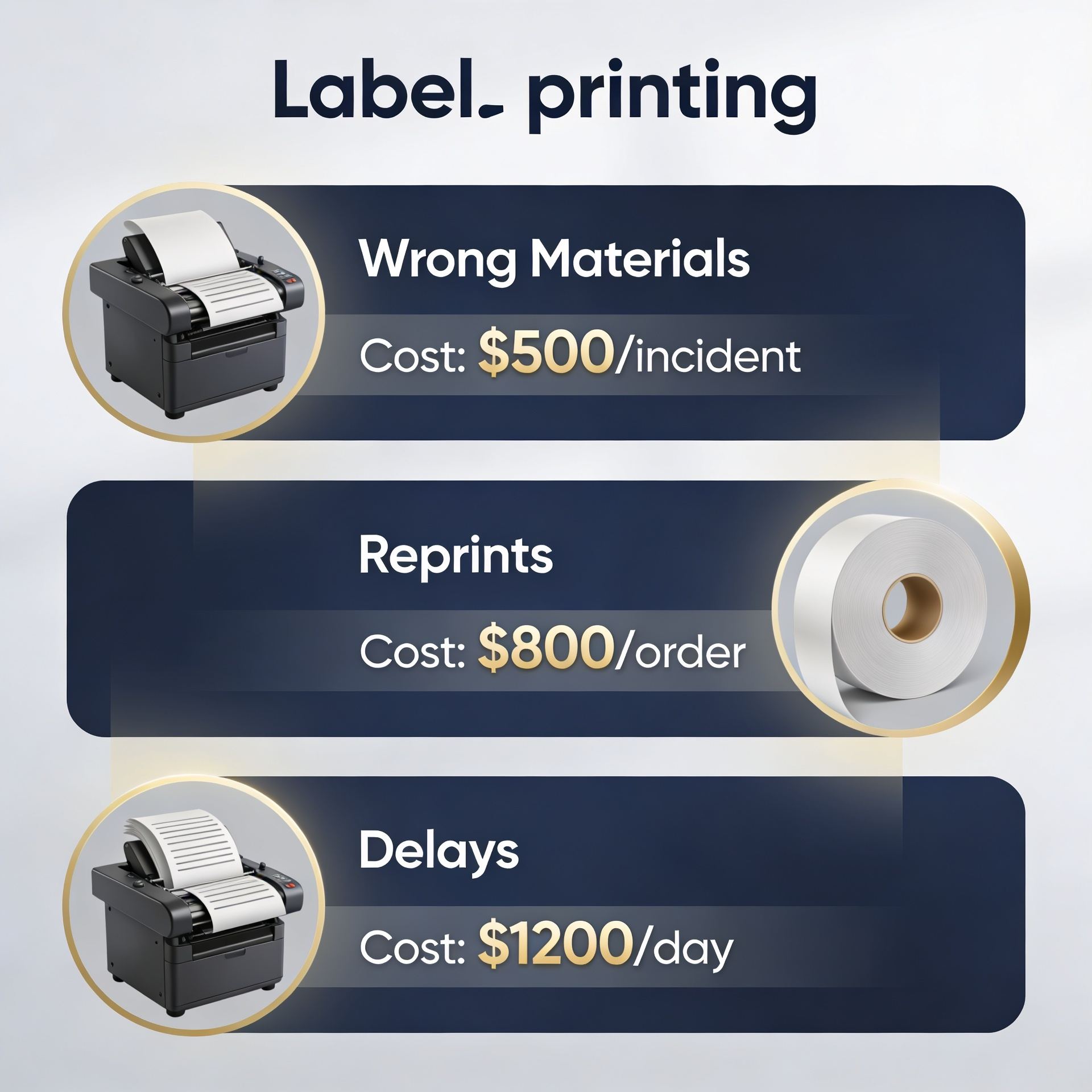
Why Label Printing Decisions Can Quietly Increase Packaging Costs
In today’s competitive FMCG and retail landscape, packaging efficiency plays a direct role in profitability. Yet many businesses overlook one critical factor—label printing mistakes increase costs in ways that are not immediately visible. From material mismatches to inefficient production planning, small errors can lead to significant financial impact over time.
A common issue is the wrong material issue, where labels fail to match product usage conditions such as moisture, temperature, or handling. Similarly, businesses aiming for fast label printing with short delivery timelines often rush decisions, leading to reprints, delays, and wasted inventory. These inefficiencies compound quickly, especially in high-volume production environments.
What makes this challenge more complex is the growing demand for sustainable packaging. Choosing a label printer with sustainable options without understanding technical compatibility can also lead to cost inefficiencies if not implemented correctly.
Experienced partners like Star Offset understand these operational gaps and help businesses align material selection, printing methods, and production workflows to avoid such costly mistakes. This article will guide you through practical strategies to reduce waste, improve accuracy, and build a more cost-efficient label printing process.
What Are the Most Common Label Printing Mistakes That Increase Costs?
Label printing mistakes that increase costs are errors in material selection, printing technology, or production planning that result in rework, delays, or waste. These mistakes often go unnoticed until they impact timelines or budgets.
Common cost-driving mistakes include:
- Choosing the wrong label material for product conditions
- Using inefficient or unsuitable printing methods for scale
- Poor planning for fast label printing with short delivery timelines
- Ignoring sustainability factors when selecting materials and processes
To avoid these issues, businesses should:
- Align material selection with product requirements
- Choose the right printing technology for volume and speed
- Work with a label printer with sustainable options and process expertise
- Implement structured production planning and quality checks
Struggling with Rising Packaging Costs?
- Identify hidden label printing mistakes affecting your budget
- Get expert guidance on improving efficiency and reducing waste
Why Label Printing Mistakes Increase Costs in FMCG and Retail Packaging
In packaging-driven industries like FMCG and retail, even small inefficiencies in label printing can significantly impact overall costs. Many businesses fail to realize that label printing mistakes increase costs not just through direct material waste, but also through production delays, rework, and missed market opportunities.
One of the most common challenges is poor planning for fast label printing with short delivery timelines. When timelines are compressed without proper coordination, errors in design, material selection, and printing methods become more frequent. These issues often go unnoticed until production begins—leading to expensive corrections.
A critical factor is the wrong material issue. Labels that are not suited to product conditions—such as moisture exposure, temperature changes, or handling—can fail during distribution. Additionally, businesses attempting to adopt sustainable practices without consulting a reliable label printer with sustainable options may unintentionally increase waste and costs due to incompatibility or poor execution.
Common mistakes that drive costs include:
• Incorrect material selection for product usage and storage conditions
• Inefficient printing method choices for required volume and speed
• Lack of coordination between design, procurement, and production teams
• Ignoring sustainability factors, leading to higher long-term waste
Common Mistake | Immediate Impact | Long-Term Cost Impact |
Wrong material selection | Label failure, reprints | Increased material and logistics costs |
Poor production planning | Delays, missed timelines | Loss of market opportunity |
Incompatible sustainable choices | Waste, rework | Higher operational costs |
Misaligned design & printing | Errors in output | Brand inconsistency and recalls |
These challenges are often rooted in fragmented workflows and lack of technical expertise. Experienced partners like Star Offset understand these operational gaps and help businesses align materials, processes, and timelines effectively—reducing costly errors before they occur.
Ignoring these issues can lead to product launch delays, increased packaging waste, and compromised brand credibility, making it essential to address them proactively.
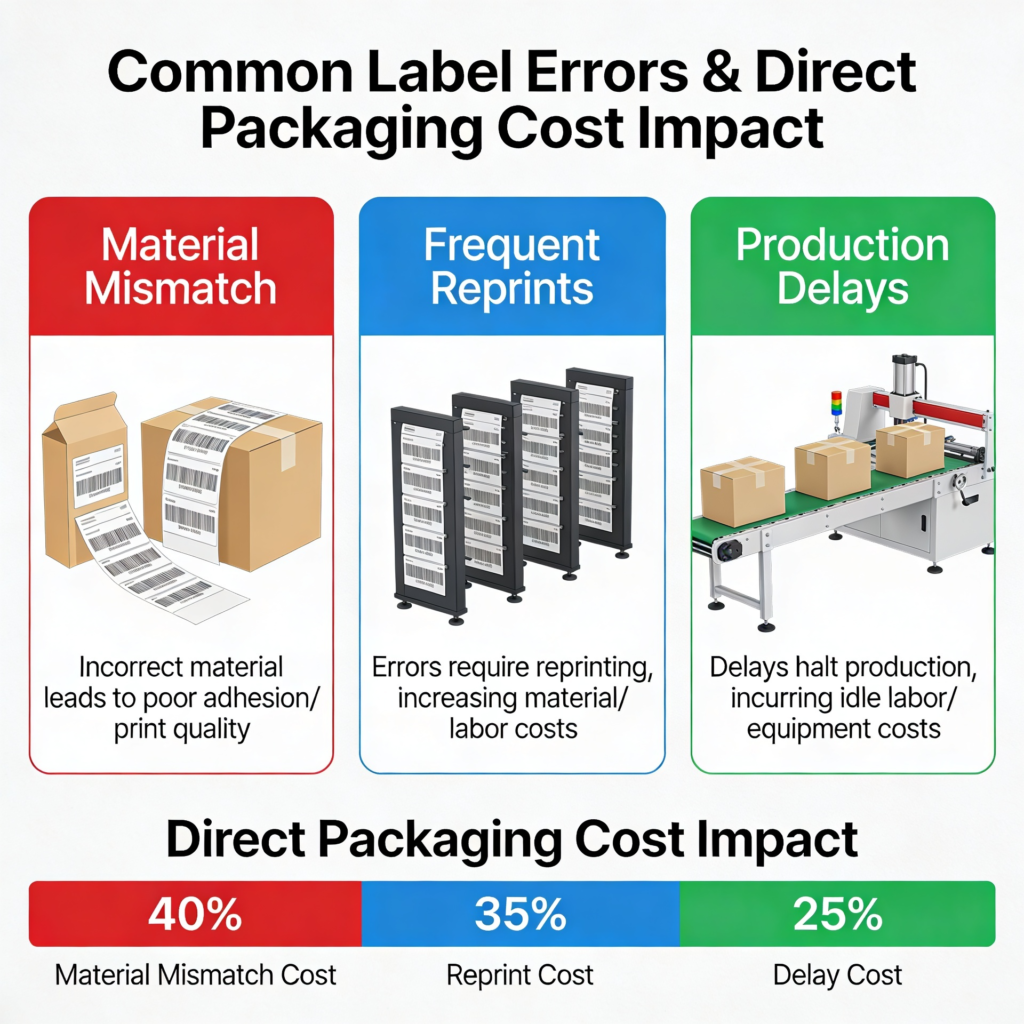
Practical Strategies to Avoid Label Printing Mistakes That Increase Costs
To effectively reduce inefficiencies, businesses must move beyond reactive fixes and adopt a structured approach to label production. When label printing mistakes increase costs, the root cause is often a lack of alignment between materials, technology, and production planning. A well-defined framework helps eliminate these gaps and ensures consistent, cost-efficient output.
Build a Cost-Efficient Label Printing Framework
A strategic framework allows businesses to prevent common errors before they impact production. The following approach helps streamline decision-making:
- Select the Right Label Material for Real-World Usage
Material selection should always align with product conditions such as moisture, temperature, and handling. Thewrong material issue is one of the biggest contributors to rework and waste.
Key considerations include:
- Exposure to water, oil, or friction
- Storage and transportation conditions
- Adhesive compatibility with packaging surfaces
- Choose Printing Technology Based on Volume and Speed
Different printing technologies serve different purposes. Selecting the wrong method can increase both costs and turnaround time.
Printing Method | Best Use Case | Cost Impact |
Digital Printing | Short runs, high customization | Higher per-unit cost |
Flexo Printing | Large volumes, consistent output | Cost-efficient at scale |
Offset Printing | Premium quality labels | Moderate cost with high quality |
- Plan for Fast Label Printing with Short Delivery Timelines
Rushed production without planning often leads to errors. Instead, businesses should:
• Align design, procurement, and production teams early
• Pre-approve materials and artwork
• Maintain buffer timelines for quality checks - Integrate Sustainable Printing Without Compromising Efficiency
Sustainability is essential, but improper implementation can increase costs. Working with alabel printer with sustainable options ensures compatibility between materials, inks, and production processes.
Strengthen Production Workflows to Minimize Errors
Beyond selecting the right inputs, operational discipline plays a crucial role in avoiding costly mistakes.
Key workflow improvements include:
- Prepress validation: Ensuring artwork accuracy before production
- Standardized processes: Reducing variability across batches
- Quality checkpoints: Identifying defects early in the production cycle
- Vendor collaboration: Maintaining clear communication between stakeholders
An expert insight worth noting:
“Cost efficiency in label printing is not achieved by cutting corners, but by eliminating errors through structured processes and informed decisions.”
This is where experienced partners like Star Offset add value. By combining process expertise with modern printing infrastructure, they help businesses align material selection, technology, and workflows—reducing errors before they translate into costs.
Decision Checklist to Prevent Costly Label Printing Errors
Before finalizing any label printing project, businesses should evaluate the following:
- Is the material suitable for product usage and environment?
- Does the printing method match the required volume and speed?
- Are timelines realistic for fast label printing with short delivery timelines?
- Have sustainability factors been integrated without compromising performance?
- Are quality control processes in place before full-scale production?
By systematically addressing these questions, businesses can significantly reduce rework, delays, and unnecessary expenses.
Want to Optimize Your Label Printing Costs?
- Identify gaps in your current packaging and printing process
- Get expert guidance on sustainable, efficient label production
Industry Trends Shaping Cost-Efficient and Error-Free Label Printing
In today’s evolving FMCG and retail landscape, the way businesses approach label production is rapidly changing. As packaging volumes increase and timelines shrink, companies are recognizing that label printing mistakes increase costs not just operationally, but strategically—impacting speed-to-market and brand consistency.
One of the most significant shifts is the growing demand for cost-efficient and sustainable label printing. Businesses are now prioritizing solutions that reduce waste while maintaining production efficiency. This has led to increased adoption of a label printer with sustainable options, where materials, inks, and processes are optimized for both performance and environmental impact.
At the same time, advancements in printing technologies are transforming production capabilities:
- Digital printing enables flexibility for short runs and rapid changes
- Flexo printing supports high-volume, consistent output with reduced unit costs
- Automation and workflow integration minimize manual errors and improve accuracy
These developments are particularly important for businesses managing fast label printing with short delivery timelines, where speed must not compromise quality.
A key industry insight:
“The future of label printing lies in combining automation, sustainability, and process discipline to eliminate inefficiencies at scale.”
Leading manufacturers are also focusing on end-to-end workflow optimization, ensuring seamless coordination between design, material selection, and production. This reduces the likelihood of the wrong material issue and other costly errors.
Organizations like Star Offset reflect this industry evolution by integrating modern printing infrastructure with structured quality processes. Their approach highlights how experienced providers are adapting to deliver both efficiency and reliability in real-world production environments.
Technology and Process Evolution Driving Cost Optimization
| Traditional Approach | Modern Approach | Business Impact |
| Manual approvals and checks | Automated prepress validation | Reduced errors and rework |
| Limited material choices | Sustainable, performance-driven materials | Lower waste and better compliance |
| Isolated production steps | Integrated workflow systems | Faster turnaround and consistency |
| Reactive quality control | Real-time inspection systems | Improved accuracy and cost control |
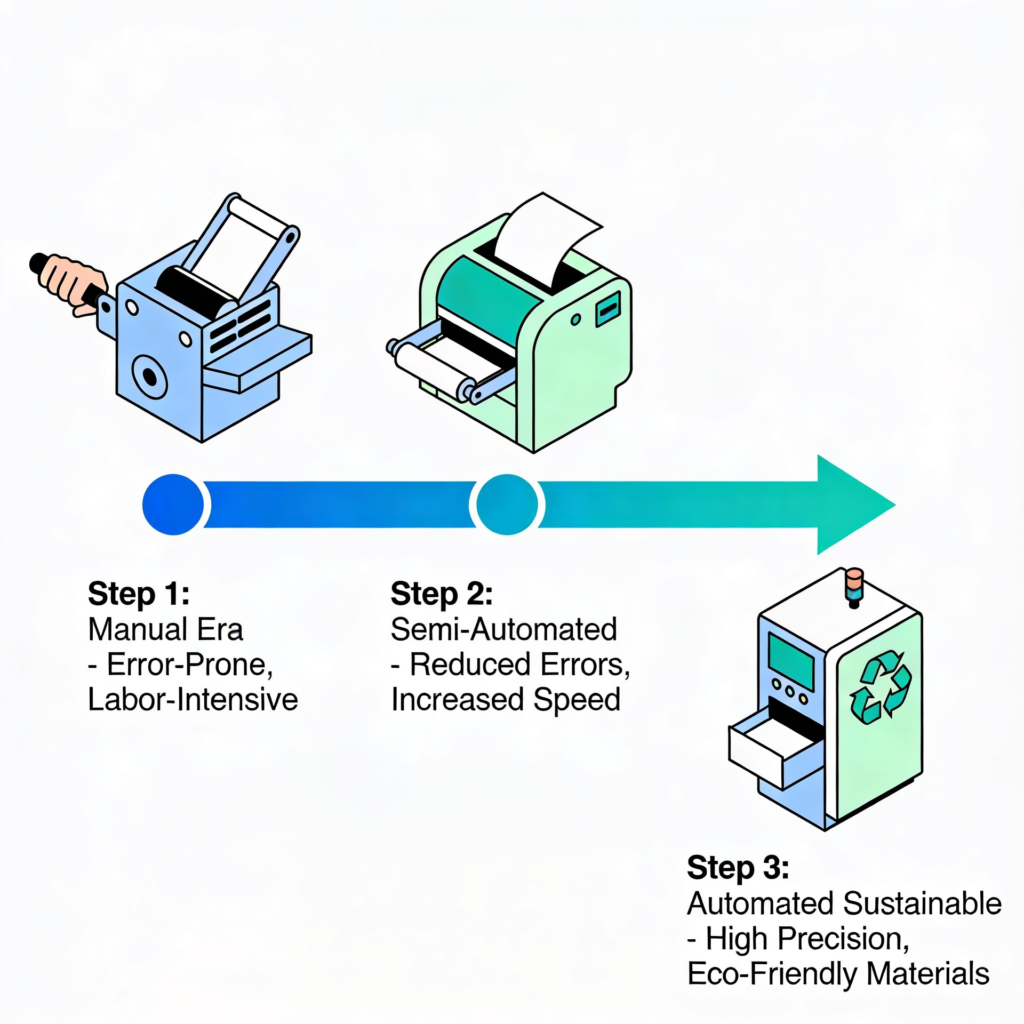
How an FMCG Brand Reduced Costs by Fixing Label Printing Mistakes
In a competitive FMCG environment, one mid-sized brand faced a recurring issue—rising packaging costs despite stable production volumes. While the problem seemed operational, a deeper evaluation revealed that label printing mistakes increase costs through repeated errors, inefficient planning, and material mismatches.
Situation:
The brand was launching multiple SKUs with frequent design updates and required fast label printing with short delivery timelines. However, their existing process lacked coordination between design, procurement, and printing teams.
Challenge:
The primary issue was the wrong material issue. Labels selected did not perform well under storage and transportation conditions, leading to:
• Peeling and fading labels
• Frequent reprints and material wastage
• Delays in product dispatch
Additionally, the printing method used was not optimized for the required production scale, further increasing costs.
Solution:
To address these challenges, the brand implemented a structured approach aligned with industry best practices:
• Material optimization: Selecting labels suited to product conditions and lifecycle
• Technology alignment: Choosing printing methods based on volume and turnaround needs
• Process planning: Coordinating timelines across teams to avoid last-minute errors
• Sustainability integration: Working with a label printer with sustainable options to reduce waste
With guidance from experienced partners like Star Offset, the brand also introduced prepress validation and quality checkpoints to minimize errors early in the process.
Outcome:
The results were measurable and impactful:
• Significant reduction in reprints and material waste
• Faster turnaround times without compromising quality
• Improved consistency across product lines
• Noticeable reduction in overall packaging costs
This example highlights how addressing root causes—rather than symptoms—can transform label printing from a cost center into an efficient, value-driven process.
Key Lessons to Avoid Label Printing Mistakes That Increase Costs
Label printing mistakes increase costs primarily through reprints, wasted materials, and delayed product launches—making early planning and validation critical for cost control.
- Material selection is a key decision point—choosing the wrong substrate for product conditions leads to durability issues, recalls, and avoidable expenses.
- Align printing technology with production needsto ensure efficiency—high-volume jobs and fast label printing with short delivery timelines require the right equipment and workflow.
- Integrated planning across design and productionhelps eliminate errors—lack of coordination is a common cause of costly corrections and missed deadlines.
- Sustainable printing practices—such as working with a label printer with sustainable options—reduce long-term costs while minimizing environmental impact.
- Prepress checks and quality controlssignificantly reduce the risk of errors before mass production begins.
- Partnering with experienced providers like Star Offsetenables businesses to avoid common pitfalls through structured processes, technical expertise, and reliable execution.
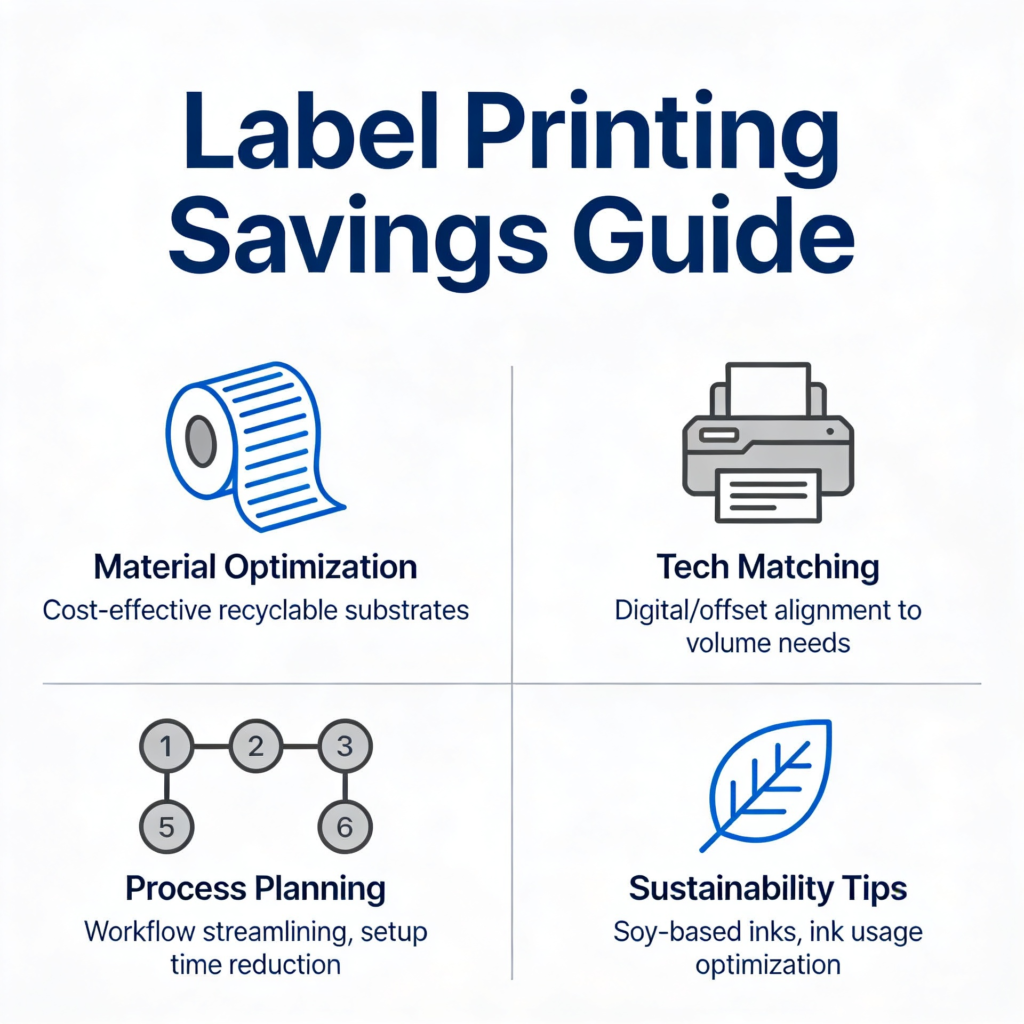
Common Questions About Avoiding Label Printing Mistakes and Reducing Costs
1. What are the most common label printing mistakes that increase costs?
The most common issues include choosing the wrong material, poor print planning, and lack of coordination between design and production. These errors often lead to reprints, delays, and waste. Addressing these gaps early helps businesses avoid situations where label printing mistakes increase costs unnecessarily.
2. How does wrong material selection impact packaging costs?
Selecting the wrong material can result in labels that peel, fade, or fail under product conditions. This leads to rework, product rejection, and higher operational costs. Identifying the right substrate based on usage, environment, and durability needs is essential for long-term cost efficiency.
3. Can sustainable label printing reduce overall expenses?
Yes, sustainable practices can reduce waste and improve efficiency. Working with a label printer with sustainable options helps optimize material usage and minimize reprints. Over time, this approach lowers production costs while also supporting environmental goals, especially for FMCG and retail brands.
4. What printing methods are best for fast turnaround label production?
For fast label printing with short delivery timelines, digital and flexo printing are commonly preferred. These methods support quick setup, consistent output, and scalability. Choosing the right technology based on order volume and urgency helps prevent delays and costly last-minute changes.
5. How can businesses choose the right label printing partner?
Businesses should evaluate a partner’s technical expertise, workflow efficiency, and ability to handle complex requirements. Experienced providers like Star Offset focus on process accuracy, material selection, and quality control. Working with such partners ensures fewer errors, better planning, and more cost-efficient label production.
Conclusion
Avoiding costly errors in label production is no longer optional—it is essential for maintaining efficiency, consistency, and profitability. When label printing mistakes increase costs, they impact not just budgets but also timelines and brand reliability. Careful material selection, the right printing technology, and structured workflows are key to reducing waste and ensuring smooth production.
Businesses that prioritize fast label printing with short delivery timelines and adopt a label printer with sustainable options are better positioned to scale efficiently. Working with experienced partners like Star Offset ensures that these elements are implemented effectively, combining process expertise with reliable execution.
Evaluating your current packaging strategy and aligning it with best practices can significantly reduce risks and improve long-term performance.
Ready to Reduce Your Packaging Costs?
- Eliminate costly label printing errors with expert guidance
- Partner with Star Offset for efficient and scalable printing solutions