
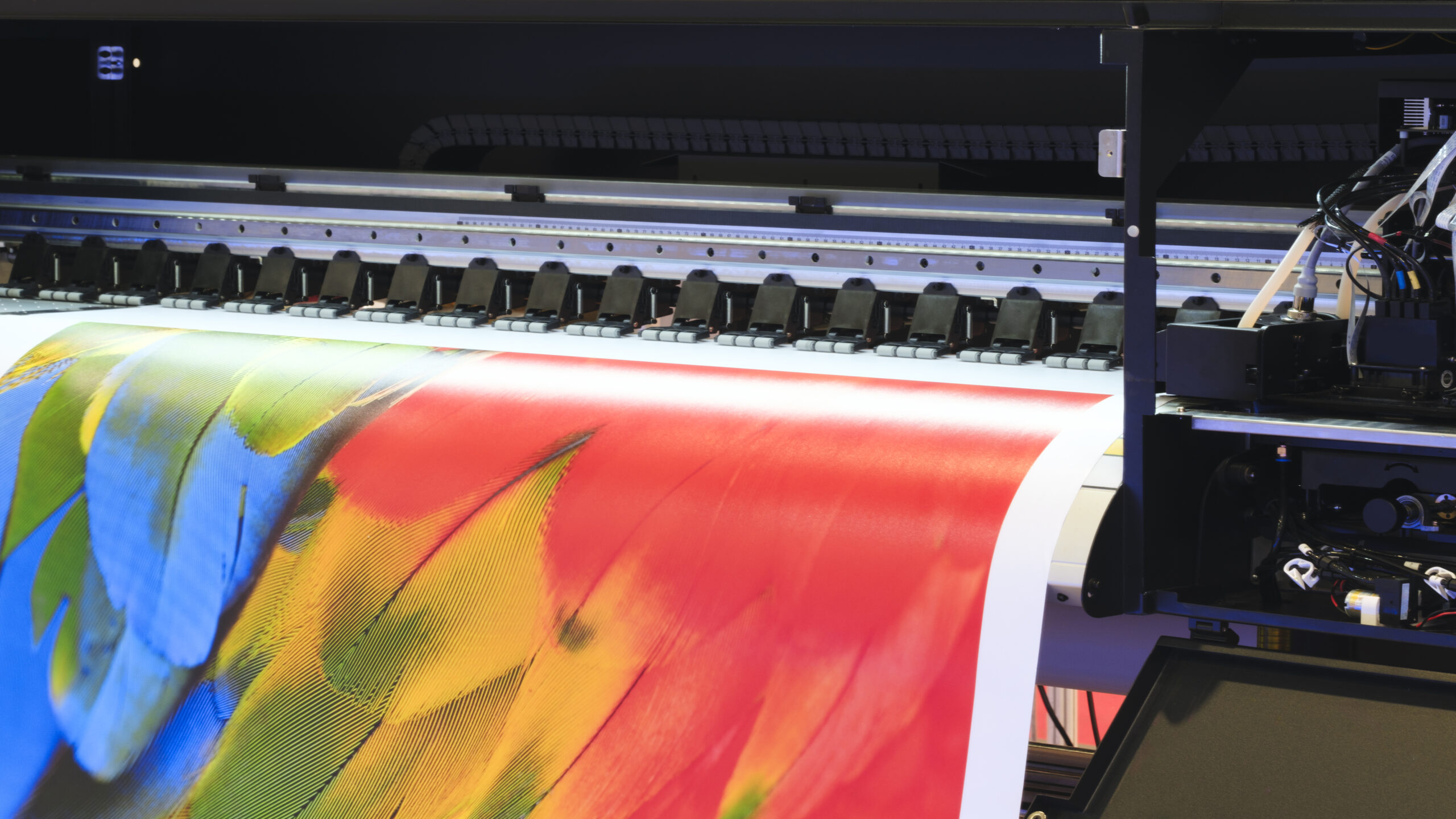
Introduction:
The Fork in the Printing Road
You’ve invested in your product. Designed the perfect packaging. Your launch is days away.
But now, the big question hits: Offset or digital printing—what’s best for your cartons, labels, and packaging needs?
On paper, they both look great. But behind the scenes? The wrong decision could lead to ink smudges, delayed dispatches, reprint nightmares, or a budget blowout. And if you’re dealing with pharma, FMCG, or export—you can’t afford those mistakes.
At Star Offset, we’ve helped hundreds of packaging buyers navigate this exact choice with clarity and confidence. And in this blog, we’ll walk you through what most printers won’t tell you—based on performance, volume, cost, and speed.
Let’s help you print smarter, not just faster.
Offset vs Digital Printing: The Real Difference You Can’t Afford to Miss
“It’s the difference between bulk baking and an à la carte chef.”
Imagine this: You’re hosting a wedding. You can either hire a gourmet chef who prepares dishes one by one based on last-minute requests—or you work with a commercial kitchen that mass-produces every plate to perfection, all with uniform taste, color, and presentation.
That’s exactly the difference between digital printing and offset printing.
Let’s break it down for packaging decision-makers who can’t afford to get it wrong.
What is Offset Printing?
- Uses plates and rollers to transfer ink onto cartons
- Best suited for high-volume print runs (25,000+ cartons)
- Delivers consistent color quality across all units
- Lower cost per unit as the quantity increases
- Supports complex finishing (like metallic inks, spot UV, embossing)
What is Digital Printing?
- Works like a giant laser printer—no plates, no setup time
- Ideal for short runs, frequent design changes, or test batches
- Great for multi-SKU, variable data printing (like barcodes or QR codes)
- But comes with limitations in speed, finish, and long-run economy
When you understand the difference between offset and digital printing for cartons, it becomes clear:
One is built for scale. The other is built for agility.
Pain Point: Why Choosing the Wrong Method = Delays, Headaches & Hidden Costs
“We picked digital for a 50,000-carton run. That mistake cost us more than money.”
A packaging development head from an FMCG brand in Mumbai shared this with us:
“Our designer recommended digital printing for our product launch cartons. It looked cost-effective at first, but halfway through we were facing color mismatch, delays in delivery, and complaints from our distributors.”
And they’re not alone.
Common Digital Printing Pitfalls for High-Volume Carton Jobs:
❌ Ink inconsistencies on bulk paperboard surfaces
❌ Slower production speeds beyond 10,000 units
❌ Color variation between batches—especially in multi-factory distribution
❌ Limited finishing options that compromise shelf appeal
❌ Higher per-unit cost once your print quantity scales
Choosing the wrong method can derail timelines, inflate budgets, and create friction with your supply chain partners.
That’s why understanding offset printing isn’t a luxury—it’s a necessity. Especially if you’re dealing with mass-market FMCG, pharma, or export-grade packaging requirements.
Offset vs Digital: Choose Smart, Not Just Fast
“The right press is like the right vehicle—don’t drive a hatchback into a freight job.”
When it comes to printing packaging cartons, there’s no one-size-fits-all. Choosing between offset and digital printing is like choosing between a freight truck and a sports bike. Both are powerful—but only if used in the right terrain.
Your choice depends on five critical factors:
- Print Volume
- Turnaround Time
- Design Complexity
- SKU Variability
- Cost Per Unit Goals
Let’s break it down.
Offset vs Digital Printing for Cartons: Side-by-Side Comparison
| Criteria | Offset Printing | Digital Printing |
| Volume | Best for 10,000+ units | Best for 10–5,000 units |
| Setup Cost | Higher (due to plate creation) | Minimal (no plates needed) |
| Turnaround | Moderate | Fast (especially for small runs) |
| Color Matching | Precise, Pantone-quality | Good but variable |
| Customization | Limited (same artwork per plate) | Excellent for frequent design changes |
If your brand runs multiple SKUs, tight GTM timelines, or batch-specific packaging — you’ll want to match your printing method to your actual business need, not just what sounds cheaper up front.
📦 Offset Printing: Built for Scale and Consistency
Think of offset printing like a high-capacity bottling plant—it’s built for scale, precision, and repeatability.
It’s your best choice when:
- You’re printing tens of thousands of pharma cartons
- You need strict Pantone color matching across factories or regions
- You’re working with rigid boards or premium finishes
- Your unit economics improve with volume (lower per-unit cost)
Example Use-Case:
A pharmaceutical brand exporting to Europe prints 100,000+ cartons with sensitive compliance data. They rely on offset for its unmatched consistency, print quality, and finishing options like Braille embossing and tamper-proof labels.
🧪 Digital Printing: Fast, Flexible, and Test-Ready
Digital printing is like a 3D printer for packaging—agile, responsive, and perfect for short runs or frequent iterations.
It’s ideal when:
- You’re launching pilot SKUs or seasonal packaging
- You want to test different designs quickly
- You manage multiple SKUs or localized packs
- You require variable data (like batch barcodes or region-specific text)
Example Use-Case:
A food startup launching in Mumbai wants to test five label versions for regional flavors. Digital printing gives them speed, agility, and zero plate cost—perfect for a quick A/B market test before scaling.
💡 Decision Framework: Ask These Questions Before Choosing
Use this checklist to determine your best-fit printing method:
- Is my order volume above 10,000 units per SKU? → Go Offset
- Do I need packaging turned around in 2–3 days? → Digital wins
- Is exact color consistency across print runs critical? → Offset preferred
- Am I doing multiple design versions or regional packs? → Choose Digital
- Do I need special finishes like foil or embossing? → Offset has better options
The Takeaway?
Offset is built for performance. Digital is built for flexibility.
Choosing the wrong method doesn’t just add cost—it adds delays, errors, and brand damage.
With Star Offset, we help clients strike the perfect balance—sometimes offset, sometimes digital, sometimes both.
Let’s make sure your packaging performs as powerfully as your product.
What Packaging Leaders Know That Many Don’t
“Printing isn’t just production. It’s precision, perception, and performance at scale.”
Behind every successful FMCG or pharma brand, there’s a powerful packaging engine. And at the heart of that engine lies a crucial decision—offset or digital printing.
Let’s explore what seasoned procurement managers, supply chain heads, and sustainability leads know that first-time buyers often overlook.
📊 The Dominance of Offset in Indian Packaging Operations
Despite the rise of digital innovations, offset printing continues to dominate mid-to-large scale packaging operations across India.
✅ “More than 80% of high-volume carton printing in India still uses roffset printing for FMCG and pharma applications.”
— Indian Institute of Packaging, 2023 Industry Overview
Why?
Because offset delivers the color consistency, unit economics, and print durability required by brands managing thousands of SKUs across geographies.
🗣️ Voices from the Field: What Procurement Managers Say
“We trust offset for anything that goes on retail shelves in bulk. Brand color integrity and finishing control are non-negotiable.”
— Senior Purchase Head, FMCG Brand – Mumbai
“We use digital printing for short-term trial packs or export versions. It’s fast and plate-free, but doesn’t scale for 30K cartons.”
— Packaging Development Executive, Pharma Company – Vapi
These voices echo a critical insight: Digital and offset aren’t rivals—they’re tools for different outcomes.
♻️ Sustainability: What’s Greener Depends on How You Print
There’s a common myth that digital is always more sustainable. But let’s break it down.
Offset Printing:
- Uses recyclable inks and paperboards
- Delivers better energy efficiency per unit on large jobs
- Generates less waste per finished carton when scaled
Digital Printing India (Short Runs):
- Eliminates the need for plates (less setup material waste)
- Ideal for on-demand, lower-carbon footprint test runs
- Still dependent on toner-based systems with variable recyclability
“At scale, offset’s batching efficiency and ink coverage optimization can actually result in lower per-unit emissions, especially for pharma and FMCG packaging.”
— Sustainability Consultant, PrintTech Summit India 2024
The key takeaway: Sustainability is not just about format—it’s about process optimization and matching the right method to the right job.
💼 Frameworks Packaging Leaders Use
Smart packaging teams don’t just look at specs—they evaluate:
- Lifecycle cost per SKU
- Downtime risk due to color shift
- Material compatibility with coatings and foils
- Batch traceability and compliance for exports
- Speed-to-market requirements for new launches
And that’s where partnering with an experienced print solutions provider becomes crucial.
How a Bhiwandi-Based FMCG Brand Fixed a ₹9 Lakh Problem
“One wrong printing method. Thousands in losses. Until they switched.”
The Problem: Digital Looked Cheaper—Until It Wasn’t
An emerging FMCG company based in Bhiwandi, known for its herbal wellness products, was scaling fast across Maharashtra and Gujarat. With new SKUs being introduced every quarter and a lean packaging budget, they opted for digital printing for their regional variants.
The job?
30,000 cartons printed in five different languages—Marathi, Gujarati, Hindi, Kannada, and English.
At first, digital seemed perfect: fast setup, no plate costs, and flexibility for localized packaging.
But then came the backlash.
- Inconsistent color tones across regions
- Logo mismatches between batches
- 15% of stock rejected by one of their biggest distributors due to “off-brand packaging”
- Result: ₹9,00,000 in lost revenue and reprint costs
“Our branding suffered in the eyes of retailers. We underestimated how much slight color changes could hurt perception.”
— Head of Procurement, FMCG Brand
The Solution: Offset Printing with Star Offset
After the damage, the company reached out to Star Offset.
We immediately diagnosed the issue:
- Digital printing lacked Pantone precision
- Regional versions needed exact visual consistency
- The scale warranted offset printing, not digital
Here’s what we did differently:
✅ Used offset printing with custom color plate calibration
✅ Standardized all five language SKUs to a single brand-approved color match
✅ Optimized design layouts for minimal plate changes
✅ Reduced per-unit cost by ₹0.50 due to volume efficiency
The Outcome: Zero Rejections, Full Trust Restored
Within one month of re-launch:
- 100% acceptance by all regional distributors
- ₹9 lakh saved annually in reprint and rejection costs
- Better shelf consistency across 1,200+ retail outlets
- Strengthened distributor trust and retailer confidence
“Switching to offset printing with Star Offset not only fixed our problem—it elevated our entire packaging game.”
— Packaging Lead, FMCG Brand, Bhiwandi
Packaging Isn’t Just About Print—It’s About Progress
Every carton you print is more than packaging—it’s a promise to your customers. Whether you’re building shelf appeal in hyper-competitive FMCG aisles or meeting regulatory precision in pharma, the way you print speaks volumes about your brand.
The decision between offset and digital printing isn’t black or white. It’s a strategic lever.
✔ If you’re scaling and consistency is non-negotiable—roffset printing delivers precision, cost-efficiency, and batch control.
✔ If you’re testing new markets or SKUs—digital printing in India offers speed and flexibility.
But the smartest brands don’t ask “Which is cheaper?”
They ask “Which supports our growth, reputation, and long-term ROI?”
The most effective packaging leaders don’t just choose between offset and digital—they choose what aligns with their volume, vision, and velocity.
📌 Quick Takeaways:
- Offset printing is ideal for high-volume, color-critical, and cost-sensitive production.
- Digital printing is perfect for small-batch, fast-turnaround, and multi-variant campaigns.
- Partnering with an experienced team like Star Offset helps you make informed, scalable, and future-proof choices.
When your packaging reflects your ambitions, you don’t just print—you perform.
Ready to align your printing strategy with your next growth milestone?
✅ Ready to Print Smarter, Not Just Cheaper?
Still unsure if offset or digital printing is right for your product?
Don’t leave it to guesswork—let data, experience, and expert insight guide your decision.
At Star Offset, we’ve helped hundreds of pharma, FMCG, and consumer brands reduce print costs, improve consistency, and scale with confidence.
Let’s turn your packaging into a competitive edge.
Our specialists will personally review your SKUs, volumes, compliance needs, and design specs to recommend the most cost-efficient and growth-aligned solution for your packaging.
Get Custom Flexo Samples delivered to your doorstep
Your cartons carry more than your product—they carry your promise. Let’s get that right.
Frequently Asked Questions
1.What is the difference between offset and digital printing for cartons?
Offset printing uses plates and ink transfer to deliver consistent, high-quality results, especially ideal for large-volume jobs. Digital printing, on the other hand, requires no plates and prints directly from files—perfect for smaller runs or frequent design changes. Offset ensures precise color matching, while digital offers flexibility and speed.
2.Which printing method is more cost-effective for bulk carton packaging?
Offset printing is more cost-effective for bulk jobs (typically over 10,000 units) due to its lower cost-per-unit after setup. Though it has a higher initial setup cost, it’s ideal for high-volume pharma and FMCG packaging where quality and consistency matter. For small batches, digital may still be more economical.
3.Is offset printing better for color accuracy?
Yes, roffset printing is superior for color accuracy because it supports Pantone matching and ensures consistency across thousands of units. This is critical for pharma and FMCG brands where brand colors and regulatory details must be exact on every single carton or label.
4.When should I choose digital printing over offset?
Choose digital printing when you need quick turnaround, short runs (10–5,000 units), or personalized or multilingual packaging. It’s perfect for product sampling, seasonal variants, or regional SKUs. It eliminates plate costs and allows frequent design changes without delay.
5.Can I use both offset and digital printing for my packaging strategy?
Absolutely. Many brands combine both to meet different needs. Use offset printing for high-volume core SKUs, and digital printing for new launches, limited editions, or test markets. A mixed strategy allows scalability, flexibility, and cost control without sacrificing brand consistency.