

Introduction: The Costly Truth About Cheap Labels
You’re under pressure to cut costs.
Procurement’s breathing down your neck.
Your boss wants faster turnarounds, but the last time you tried “affordable” label printing—it backfired.
Smudged ink. Misaligned barcodes. Delays. Reprints.
Sound familiar?
In industries like FMCG and Pharma, labels aren’t decoration—they’re brand reputation, compliance assurance, and supply chain triggers.
This blog shows you how to reduce label printing costs—without losing quality, speed, or sanity—and why brands across Mumbai, Pune, Gujarat, and Goa trust Star Offset as their custom label printing partner.
Want to print smarter, not cheaper? Let’s break down how.
The Hidden Costs of “Cheap” Labels
Why cutting corners could be cutting into your reputation, revenue, and reliability
Let’s be honest—label printing is often treated like just another line item in a production spreadsheet.
But when you chase the lowest possible cost, the “savings” are rarely worth what you end up losing.
Take this scenario.
A purchase manager signs off on a low-cost label supplier to cut expenses across SKUs. It looks good on paper—until the issues begin:
- The print starts to fade under warehouse lighting.
- Barcodes misalign just enough to fail automated scanners.
- Shipments are delayed waiting for reprints.
- Customer service is flooded with complaints about missing or unreadable information.
- Regulatory audits get flagged.
All from one decision meant to save a few rupees per label.
When Labels Fail, the Damage Ripples
Labels aren’t just stickers. They are your product’s voice, its ID, and its first impression in a competitive, compliance-heavy world.
1. In FMCG, poor-quality labels mean:
- Dull visuals that make products disappear on retail shelves
- Packaging inconsistency that weakens brand trust
- Bottlenecks during high-speed production runs
2. In Pharma, the consequences are even more serious:
- Inaccurate or unreadable batch information can trigger compliance violations
- Non-migration ink failures may jeopardize export certifications
- A single mistake on a label can delay life-saving products
Now imagine dealing with this across 20+ SKUs, 5 regions, and multiple product batches.
The real cost?
Not just financial loss—but damaged credibility, broken timelines, and frustrated teams.
3. What “Cheap” Label Printing Actually Costs You
Let’s break it down:
| Label Issue | Actual Business Impact |
|---|---|
| Faded or smudged prints | Rejected shipments, especially exports |
| Barcode misalignment | Scanning errors, warehouse and retail delays |
| Slow, unreliable vendors | Production stoppages, missed deadlines |
| Frequent reprints | Higher cost per label, resource drain |
| Inconsistent quality | Customer returns, regulatory non-compliance |
And yet, many brands keep going back to vendors that promise “low rates” but can’t deliver consistent, compliant quality under pressure.
4. In Regulated Industries, There’s No Room for Error
For industries like pharmaceuticals, FMCG, and consumer goods, labels aren’t an afterthought—they’re a legal and operational necessity. When accuracy, durability, and compliance are non-negotiable, cutting corners doesn’t cut costs—it compounds risk.
5. Cheap upfront rarely means cheap overall.
If you’ve faced delays, reprints, or compliance flags due to label issues, it’s time to ask yourself:
- Are you paying more in the long run for a cheaper label?
- Is your label vendor helping you meet your quality benchmarks—or making you fall short?
- Could a better printing process save you more than it costs?
In the next section, we’ll explore exactly how flexo label printing can reduce long-term expenses, improve quality, and streamline production
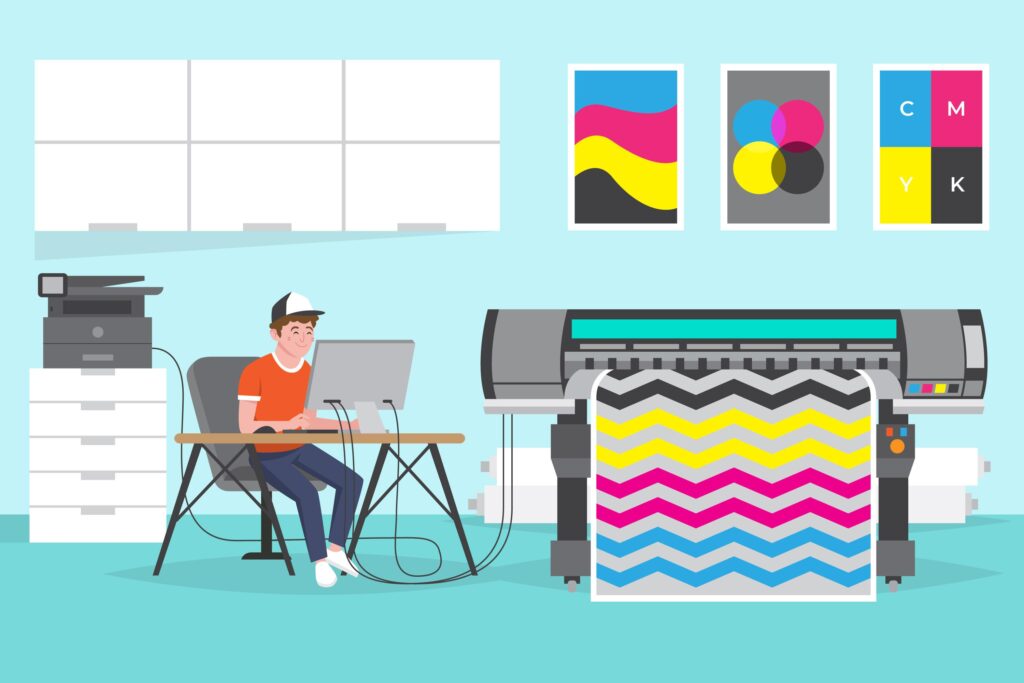
Switch to Narrow Web Flexo Printing for Long-Term Savings
Precision meets performance without ballooning your budget
Let’s get one thing straight: cheap printing is not the same as cost-effective printing.
If you’re working with high SKU volumes in industries like pharma, FMCG, or consumer goods, you need more than a low quote you need speed, accuracy, and consistency at scale. And that’s exactly what narrow web flexo printing delivers.
At its core, flexo printing is engineered to help you reduce label printing costs without sacrificing quality or compliance. It’s not a compromise. It’s an upgrade.
Why Flexo Printing Outperforms Traditional Label Printing Methods
Think of traditional printing like a bullock cart slow, inefficient, prone to hiccups. Now imagine a flexo press: streamlined, fast, built for long runs and rapid turnaround.
Here’s why decision-makers are making the switch:
1. Faster Production Without the Firefighting
- Flexo uses quick-drying inks and continuous roll feeds
- Labels are printed, cured, and ready for packing in less time
- Ideal for companies with tight dispatch schedules and shifting demand
2. Lower Per-Unit Costs for Bulk Orders
- Flexo’s setup cost pays off as volumes increase
- Minimal reprints and waste mean every rupee is better spent
- Excellent for handling regional variants, seasonal SKUs, and multi-product lines
3. Versatility Across Materials and Designs
- Works flawlessly on paper, film, foil, and synthetic materials
- Maintains high resolution and color integrity, even on uneven or curved surfaces
- Great for pharma cartons, FMCG bottles, sachets, shrink sleeves, and more
4. Less Waste = Leaner Operations
- Registration accuracy ensures minimal material wastage
- Reduced downtime means smoother workflows on the production floor
- No need for constant manual checks or last-minute fixes
5. Compliance-Friendly, Quality Assured
- Meets FDA, EU, and local regulatory standards
- Compatible with non-migration and water-based inks
- Delivers consistent print runs with traceable accuracy critical for pharma
Real Results: How One Pharma Brand Slashed Reprint Losses by 70%
A Star Offset client in the pharmaceutical sector was losing lakhs annually due to reprints caused by smudging, barcode distortion, and compliance errors.
After switching to narrow web flexo label printing, here’s what changed:
| Metric | Before Flexo | After Flexo with Star Offset |
|---|---|---|
| Reprint cost per quarter | ₹3.2 Lakhs | ₹95,000 |
| Barcode scan success rate | 89% | 99.99% |
| Time to print 10,000 labels | 5–6 days | 2–3 days |
| Compliance flags in EU shipments | Frequent | Zero since switch |
They didn’t just save money—they regained control.
Why It Works: Flexo Printing Is Built for Scale, Speed, and Precision
Whether you’re printing millions of pharma labels or rotating seasonal FMCG SKUs, flexo gives you the structure to scale without bottlenecks.
It’s not just about lower cost it’s about smarter printing:
- Fewer delays
- Fewer defects
- More confidence in every batch
When every label matters, flexo ensures none go to waste.
Still Relying on Generic Vendors or Outdated Technology?
Ask yourself:
- Are you printing the same labels more than once due to poor quality?
- Are delays in label delivery disrupting your packaging line?
- Is your vendor equipped to handle volume spikes or SKU expansions?
If not, the issue isn’t the budget it’s the process.
In the next section, we’ll break down how design optimization can further reduce costs and improve production flow.
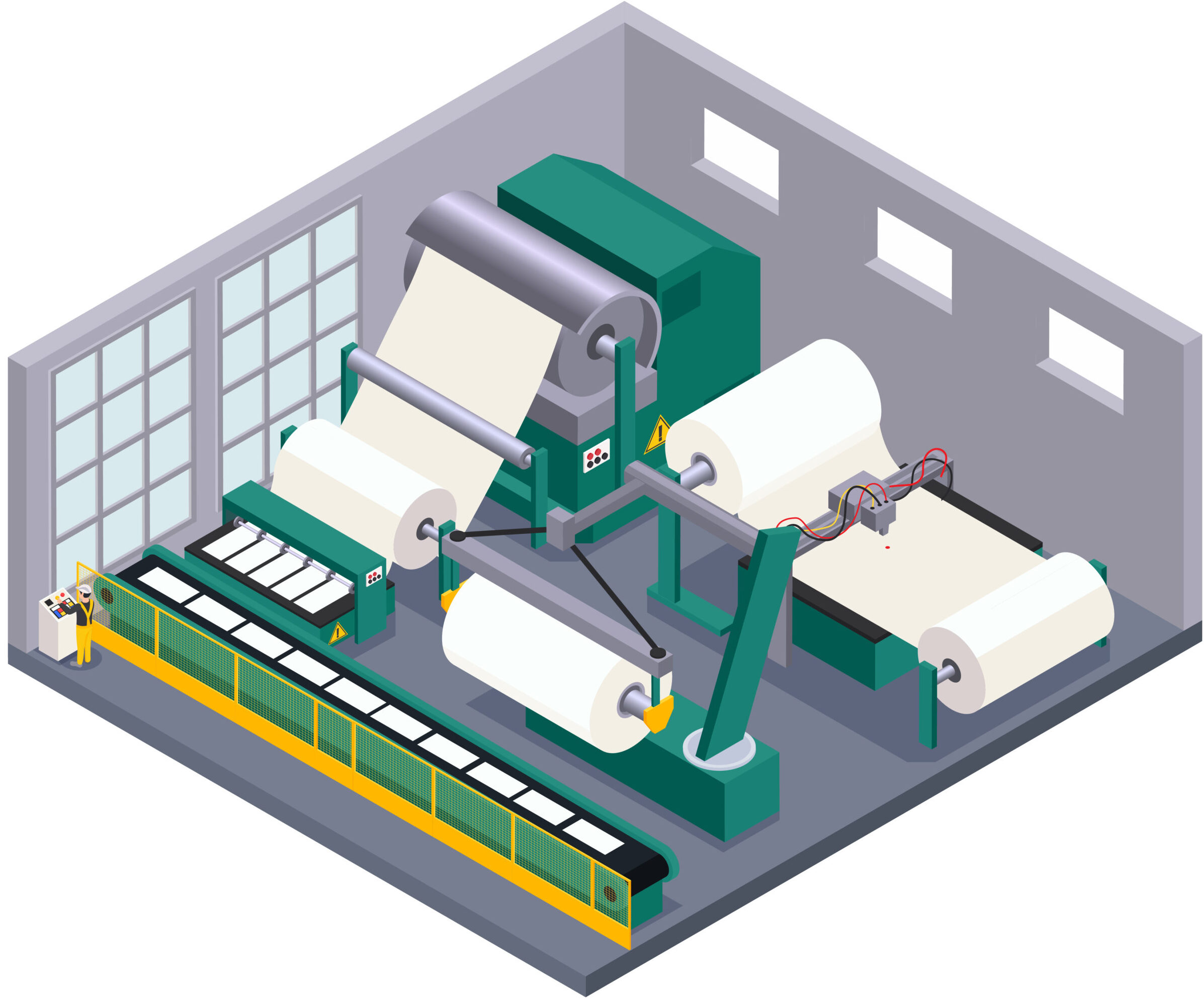
What Industry Leaders Know That Others Don’t
“You don’t just print labels—you build trust at every peel.”
In the high-stakes world of FMCG and pharmaceutical packaging, the smartest brands know something most others miss:
Label printing isn’t a cost—it’s a competitive edge.
While lagging businesses view packaging as a final touchpoint, industry leaders treat it as a strategic differentiator—one that shapes perception, ensures compliance, and fuels operational efficiency.
Let’s unpack what the best in the business are doing differently with flexo label printing.
90% of Global FMCG Brands Use Flexo—Here’s Why
According to the Flexographic Technical Association, flexographic printing is used by over 90% of top global consumer brands for high-volume label production.
Why? Because it delivers the perfect balance of speed, precision, and cost-efficiency.
“Flexo offers unmatched consistency and scalability—essential for brand integrity at shelf-level across diverse markets.”
— Label & Narrow Web Magazine, 2023
In a market where shelf appeal and speed-to-market directly impact ROI, flexo’s fast turnaround and print consistency across millions of SKUs make it the default choice.
Why Pharma Packaging Teams Trust Flexo for Compliance
In pharmaceuticals, the label isn’t optional—it’s a legal and safety requirement.
- Non-migration inks
- Sterile-grade material compatibility
- Pinpoint barcode and batch coding accuracy
- Multilingual and serialized label precision
These are non-negotiables. And narrow web flexo press label printing delivers on all of them.
“The margin for error in pharma is zero. Flexo allows us to meet global standards while running at the speed we need.”
— Packaging Development Head, Global Pharma Brand
Flexo Aligns with ESG Goals & Green Packaging Trends
Sustainability isn’t a buzzword anymore—it’s a boardroom mandate.
Flexo leads the way with:
- Water-based inks that reduce VOC emissions
- Recyclable substrates compatible with circular packaging goals
- Less material waste due to tight registration and reduced setup scrap
A 2024 report by Smithers Pira found that 69% of FMCG packaging decision-makers rank sustainable label materials as a top priority.
Flexo helps hit these benchmarks without compromising on scale or quality.
Flexo + Smart Label Tech = Future-Ready Packaging
The most progressive brands are pairing flexo printing with intelligent labeling technologies:
- QR codes for consumer engagement
- NFC tags for anti-counterfeiting
- Serialized data for regulatory compliance and supply chain transparency
This is particularly transformative in pharma exports, where GS1-compliant traceability and FDA-approved labeling are essential.
“Our flexo setup allows us to embed smart tech into every label—turning packaging into a digital handshake with the end user.”
— CTO, Indian Healthtech Startup
The Role of Strategic Partners: It’s Not Just About Print
Top-performing companies aren’t just buying print—they’re building long-term partnerships with print specialists who:
- Are ISO-certified and audit-ready
- Offer flexible MOQs for test batches and full runs
- Provide proactive communication and artwork proofing
Align with global quality benchmarks
This is why businesses from Mumbai, Pune, Goa, to Gujarat trust specialists like Star Offset—a name synonymous with flexo label printing precision, pharma compliance, and FMCG scale.
In the next section, we’ll show you a real-world example of what happens when a pharma company transitions from legacy print methods to flexo—and how they saved over ₹12L in the process.
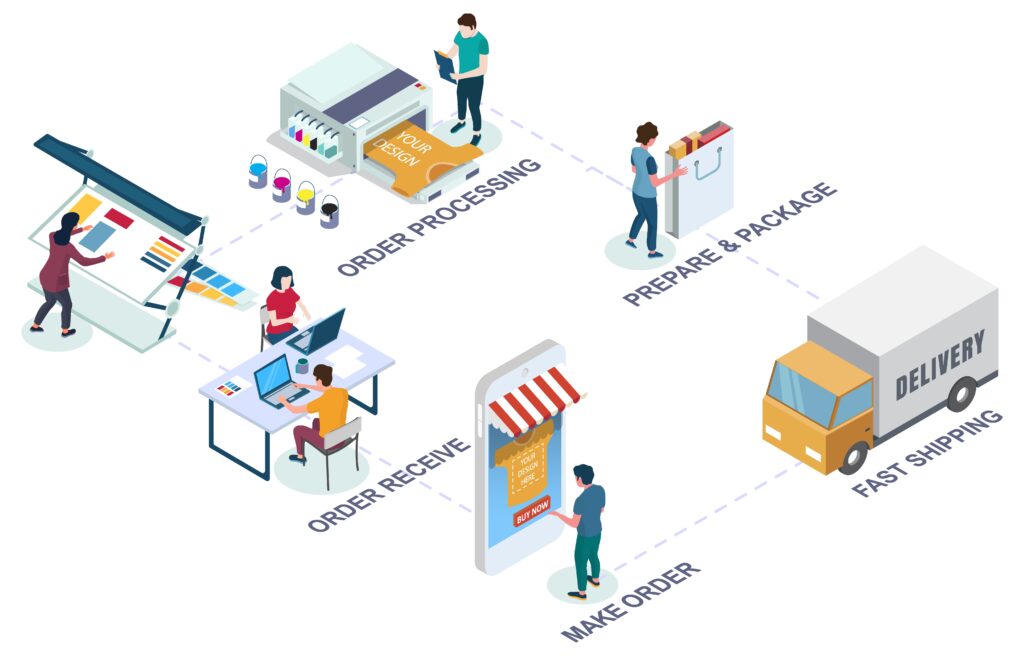
What Industry Leaders Know That Others Don’t
“One Call. One Change. A ₹12 Lakh Saving.”
Meet the Client: A Leading Pharma Manufacturer in Thane
Let’s take you inside the story of one of India’s top mid-sized pharmaceutical exporters, operating from Thane and Navi Mumbai, shipping critical medicines across Europe, the Middle East, and South Asia.
Their Purchase Head (NDA-protected) was at a breaking point.
Every week, another shipment got flagged for “label inconsistency.”
The problem? Barcodes were failing at customs scanning points—not because of the product, but due to label misalignment and ink smudges on critical compliance areas.
With 18 active SKUs across 5 regions, the impact was massive:
- Daily disruption of production lines
- ₹12 lakh+ annual loss in label reprints and delayed orders
- Growing frustration from regulatory bodies and distribution partners
The Turning Point: Switching to Flexo with Star Offset
Desperate for a fix that wouldn’t interrupt their global supply chain, the pharma brand contacted Star Offset, known for its expertise in pharma label printing in India.
We immediately audited their existing label setup—and found:
- Outdated offset printing
- Inconsistent plate registration
- No quality control check before dispatch
- Ink bleed during cold-chain transit
Our solution?
Narrow web flexo press label printing, designed for precision and high-speed pharma environments.
Here’s what we implemented:
- Barcode alignment with 99.99% scan accuracy, using laser-aligned printing plates
- FDA-compliant, low-migration inks for export-grade pharma labels
- Real-time QA checkpoints for every label batch
- Full-service support—from artwork correction to final delivery across 5 plants
The Results: In Just 60 Days
Within just two production cycles, the transformation was undeniable:
| Metric | Before Optimization | After Star Offset Strategy |
|---|---|---|
| Annual label spend | ₹18.6 lakhs | ₹13.1 lakhs |
| Label obsolescence | 15–20% per quarter | Less than 2% |
| Turnaround time | 6–7 days average | 3–4 days average |
| SKU group printing efficiency | Fragmented per SKU | Consolidated per product line |
“Star Offset transformed our packaging operations from a liability to an asset.”
– Purchase Head, Pharma Client
What This Teaches Us: Labels Aren’t Just Print—They’re Performance
This isn’t just a success story—it’s a warning and a wake-up call.
If your current printer can’t guarantee compliance, clarity, or consistency, it’s not a partner—it’s a risk.
Flexo printing with Star Offset didn’t just fix a label.
It rescued a brand, restored regulatory trust, and saved lakhs in operational costs.
Your Label Is Your Brand’s Silent Salesperson
- Is it building trust—or breaking it?
Take a moment to step back.
Your packaging label isn’t just a sticker on a bottle or a box.
It’s the first handshake with your customer, the last check before customs clearance, and the constant companion through storage, logistics, and retail.
Yet too often, it’s treated like an afterthought.
What industry leaders have realized—and what many still overlook—is this:
- Labels don’t just display your brand. They defend it.
And that’s exactly where flexo label printing rises above the rest.
It’s not just a better way to print.
It’s a smarter, faster, and more strategic way to protect your brand reputation, regulatory compliance, and packaging ROI—especially in high-volume sectors like FMCG and pharmaceuticals.
Key Takeaways to Remember:
- Flexographic printing ensures sharp, durable, high-speed label production for mass-market SKUs
- It meets the strictest pharma and FMCG compliance needs with non-migration inks and barcode accuracy
- It supports sustainability goals through eco-friendly inks and recyclable substrates
- And when executed by the right partner—like Star Offset—it transforms labeling from a bottleneck into a business advantage
The question isn’t whether you need better labels. The real question is—can your current labels keep up with your growth?
If the answer makes you even slightly unsure, maybe it’s time to explore what future-proof labeling really looks like.
And we’re here to help.
Let’s Make Your Label the Loudest Voice on the Shelf
Whether you’re a Purchase Head in Pune, a Packaging Manager in Palghar, or a CEO scaling nationwide—you deserve more than a “good enough” print job.
You deserve labels that sell, protect, and perform.
Ready to stop losing time, trust, and revenue to outdated label printing?
Let’s turn your packaging into a competitive edge.
Book a FREE Print Consultation with Star Offset
Get Custom Flexo Samples delivered to your doorstep
Discover how to save ₹₹₹ on reprints and rejections—without compromising quality
Frequently Asked Questions
1. What makes flexo printing better than traditional offset or digital printing for FMCG and pharma labels?
Flexo printing offers faster turnaround, lower cost per label for large volumes, and superior print durability—making it ideal for high-volume FMCG and pharmaceutical packaging. Unlike digital printing, flexo ensures consistent quality across millions of labels. It also outperforms offset printing by supporting flexible materials like film, foil, and plastic, all while maintaining compliance with pharma-grade standards.
2. Is flexographic label printing suitable for small batch or low-MOQ jobs?
Yes, modern narrow web flexo press technology can accommodate both high and mid-volume runs efficiently. While it shines in bulk production, businesses with diverse SKUs or shorter runs can still benefit from its high quality, fast drying, and compliance features. Star Offset offers flexible MOQs to help brands test and scale as needed.
3. Are flexo-printed labels compliant with pharmaceutical export regulations?
Absolutely. Flexo printing uses FDA-approved, non-migratory inks and offers exceptional barcode precision, batch traceability, and print clarity—making it ideal for meeting global regulatory standards like DGFT, GS1, EU MDR, and US FDA. That’s why Star Offset is trusted as a top pharma label printing company in India.
4. Can flexo printing be used for eco-friendly or sustainable packaging labels?
Yes, flexo is one of the most eco-conscious printing methods available today. It supports water-based inks, recyclable substrates, and minimal material waste. This aligns well with FMCG and pharma companies pursuing ESG goals or looking to adopt greener packaging strategies without compromising on quality or compliance.
5. How quickly can I transition to flexo label printing for my brand?
Most businesses can transition to flexo within 2–4 weeks, depending on artwork readiness and SKU complexity. At Star Offset, we offer end-to-end onboarding—including artwork proofing, material consultation, and compliance checks—so you can switch without disrupting your production line. Our clients often report noticeable improvements in speed, quality, and cost-efficiency within the first two months.